Trail King
Explore 23 documented model identities across 4 trailer families. Compare the actual loading mechanism and selected configuration before comparing dimensions or ratings.
Find the right product architecture
A manufacturer product family may include several configurations. The reference selector retains each documented state and its source conditions; it does not turn every length, axle or option into a separate model. Current product documentation does not establish an individual trailer’s condition, production-year range or sale availability.
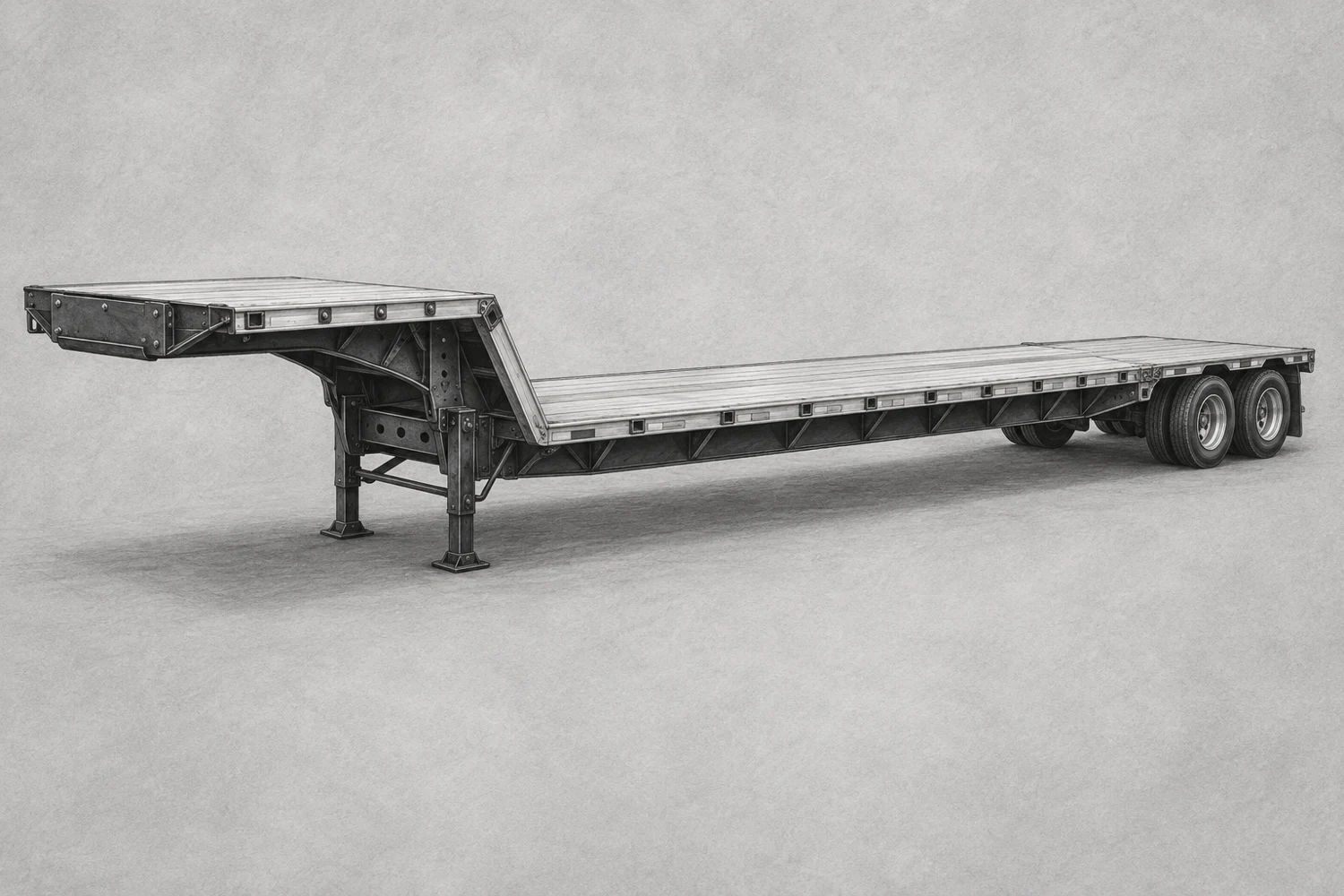
TK80ACS
A steel centre frame with aluminium decking and one drop behind the upper deck. Three published deck-height references keep tyre, clearance and tare differences visible.
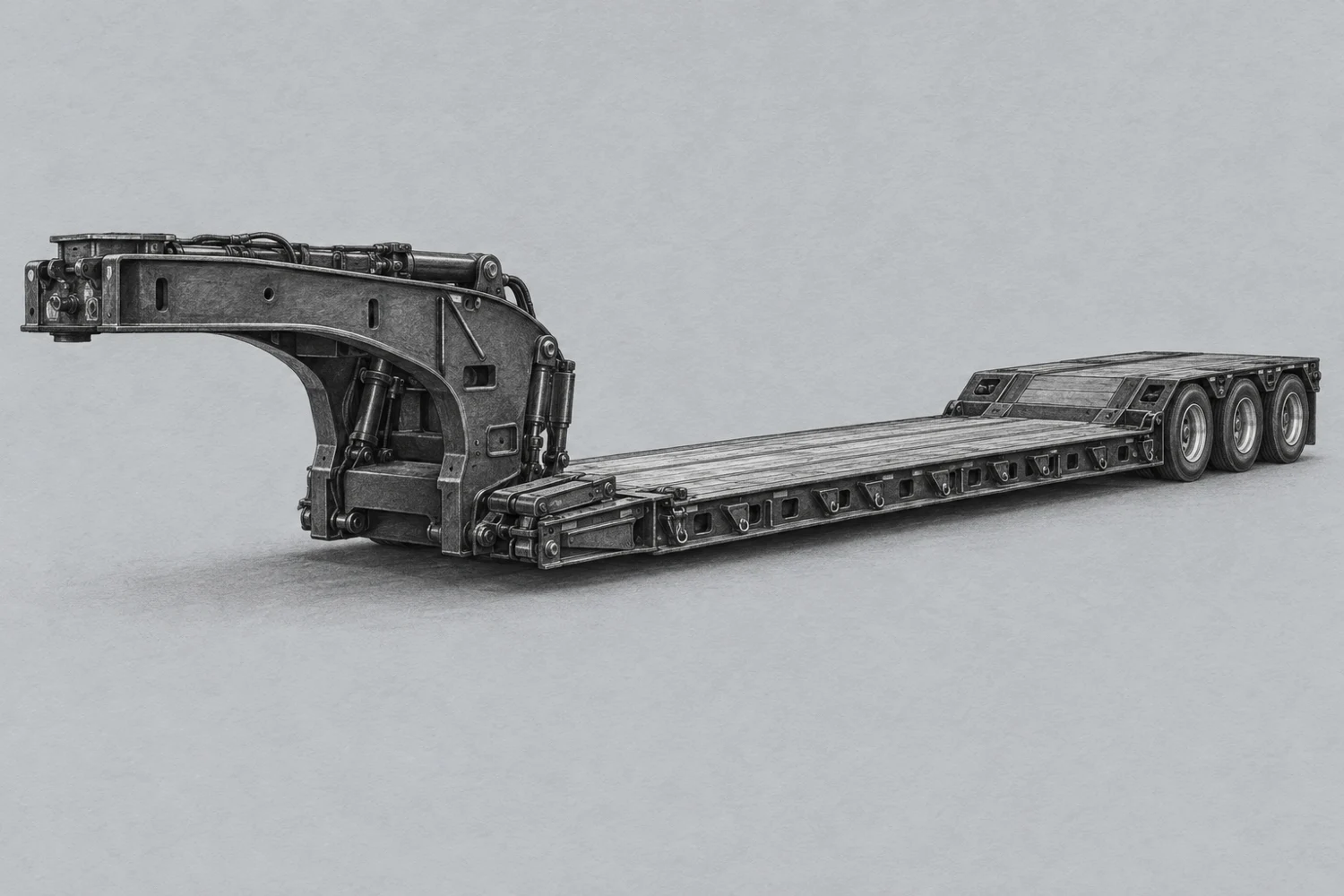
TK110HDG
A hydraulic detachable construction lowbed with a 25 ft 9 in main deck and three standard axles. Two kingpin positions alter the documented swing clearance.
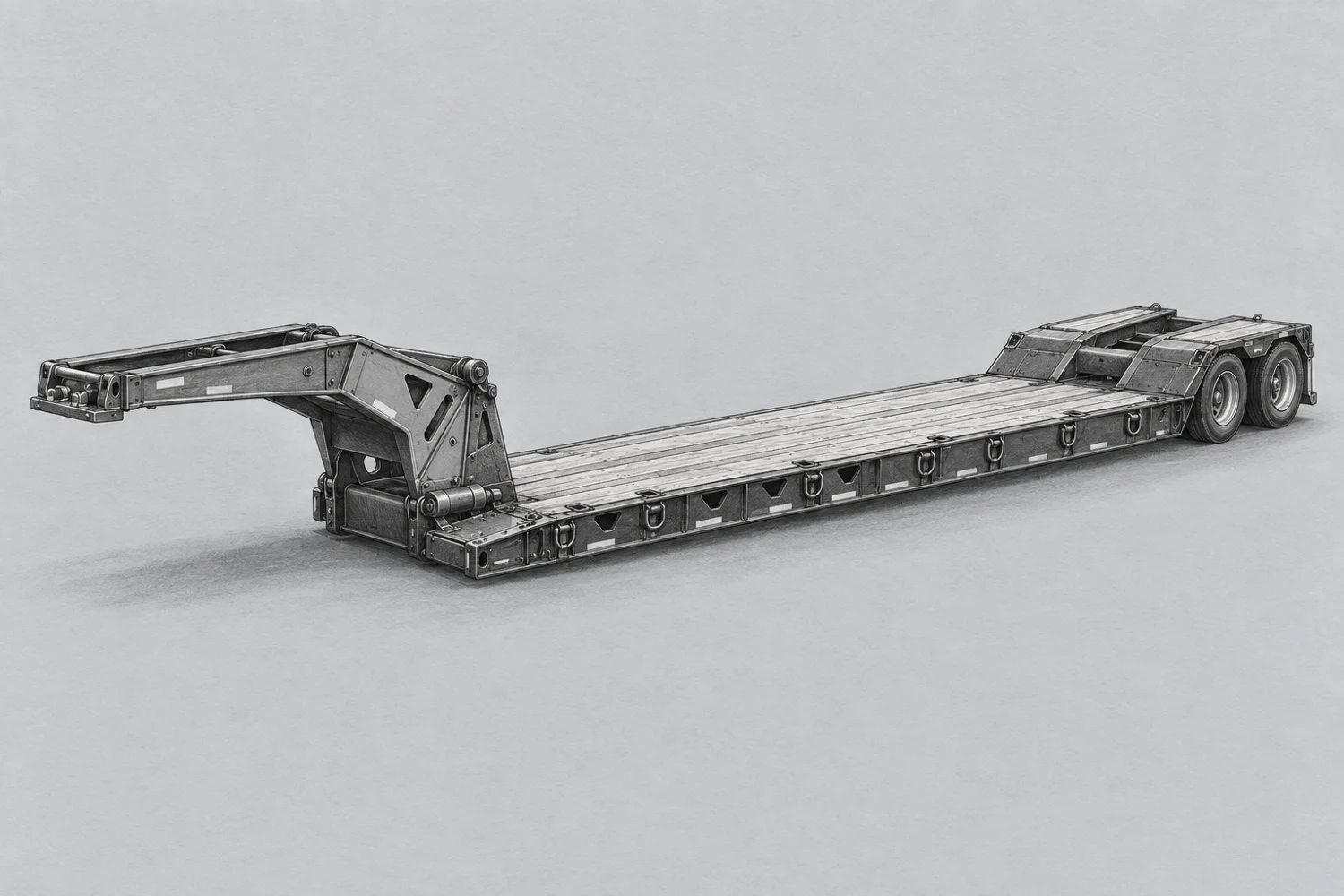
70MG
The published 70MG mechanical-gooseneck reference distinguishes a 60,000 lb concentrated rating from the model name. Deck dimensions need the exact build sheet.
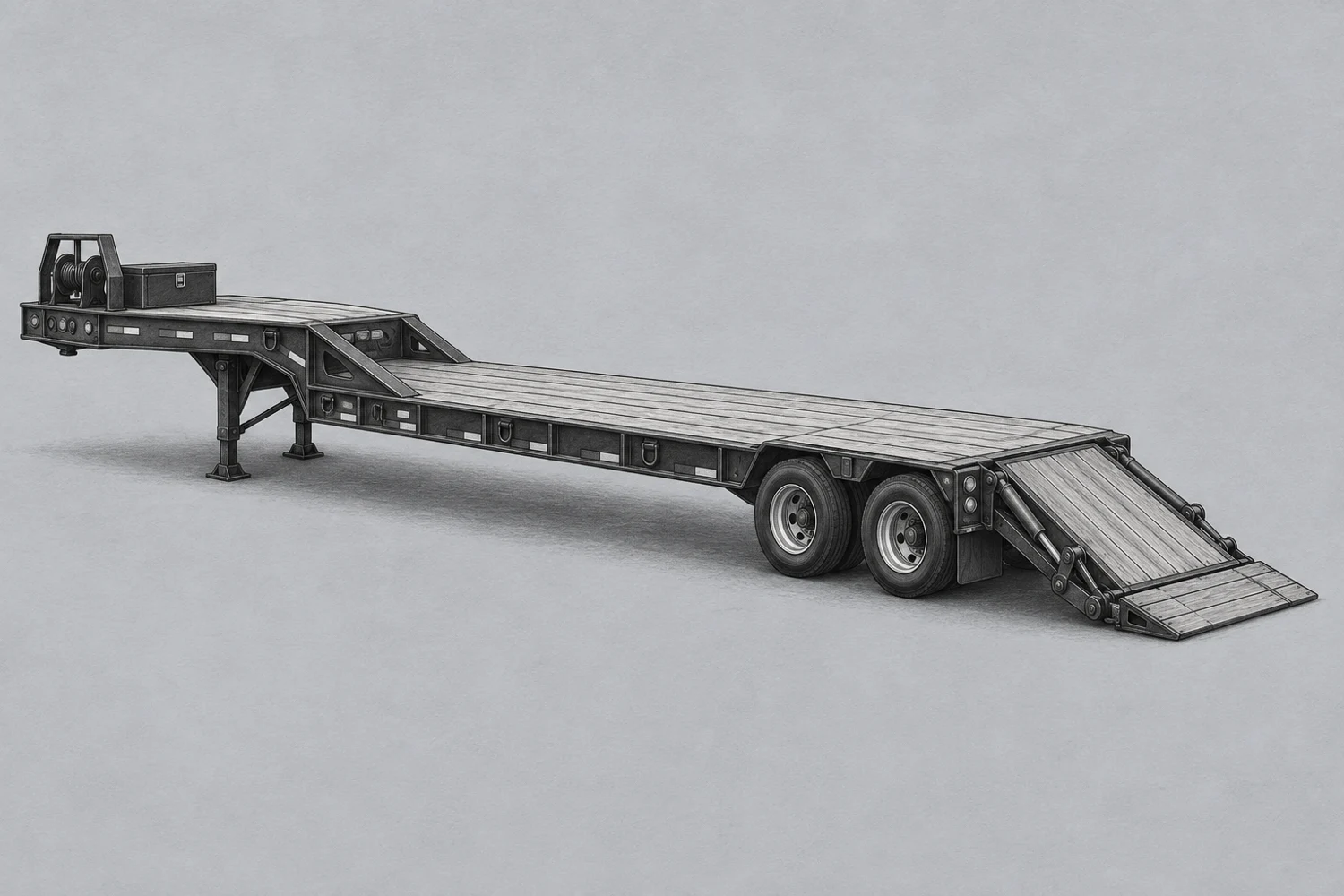
TK80HT
A hydraulic-tail equipment trailer with an upper-deck ramp and fold-under tail. Transport and loading geometry must be assessed separately.
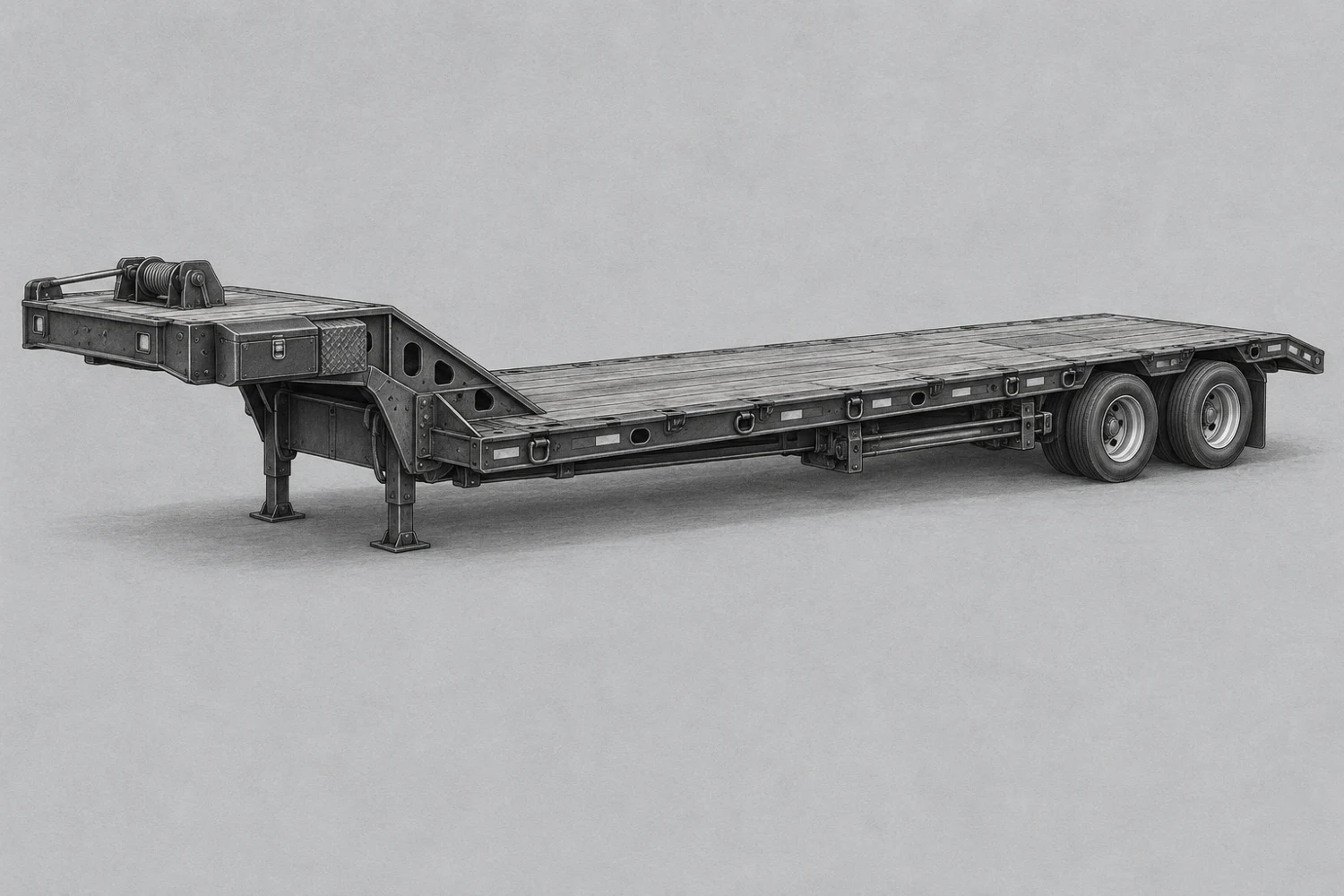
TK80SA
A sliding-axle equipment platform whose running gear moves for loading. Tyre-dependent loaded deck heights are kept as separate references.
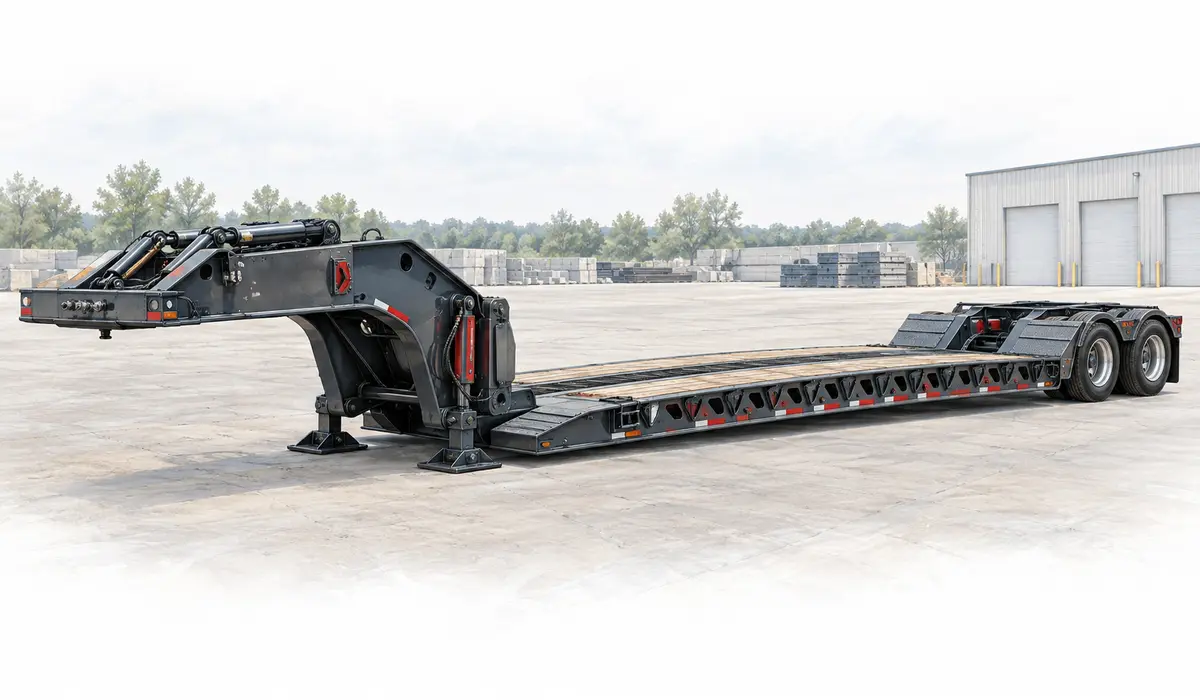
TK70HDG
A current hydraulic detachable gooseneck lowbed with a documented 24 ft main deck and a 70,000 lb concentrated rating over 12 ft.
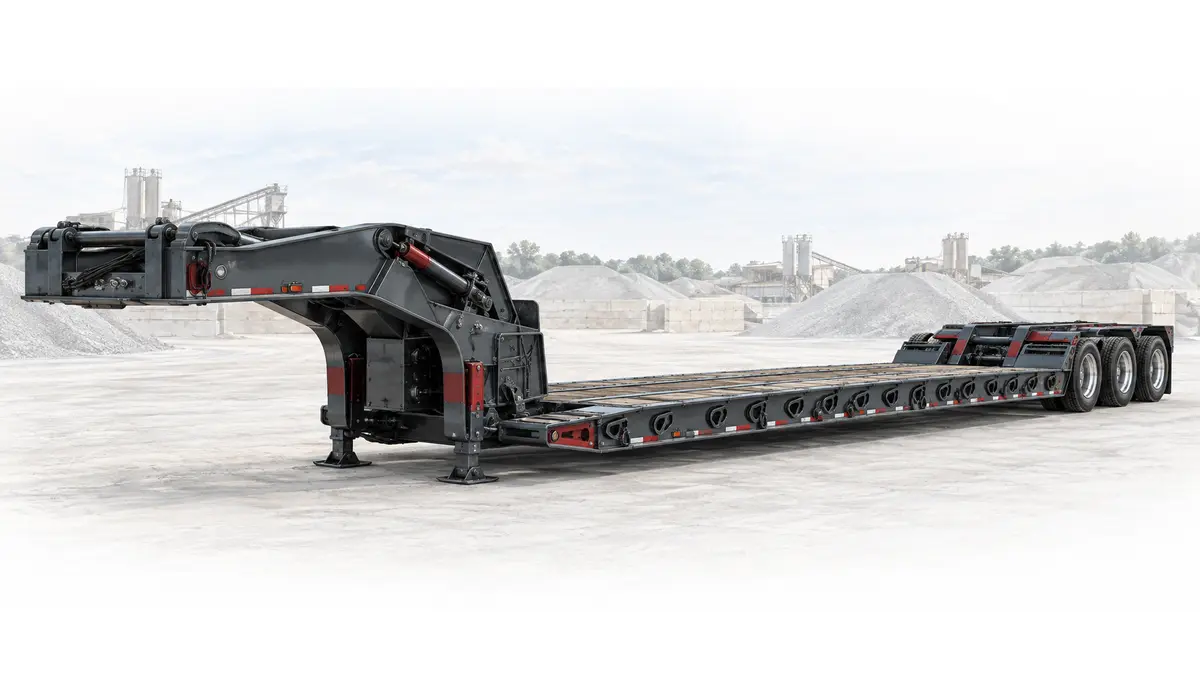
TK102HDG
A current hydraulic detachable gooseneck lowbed with a documented 25 ft 9 in main deck and 102,000 lb concentrated rating over 12 ft.
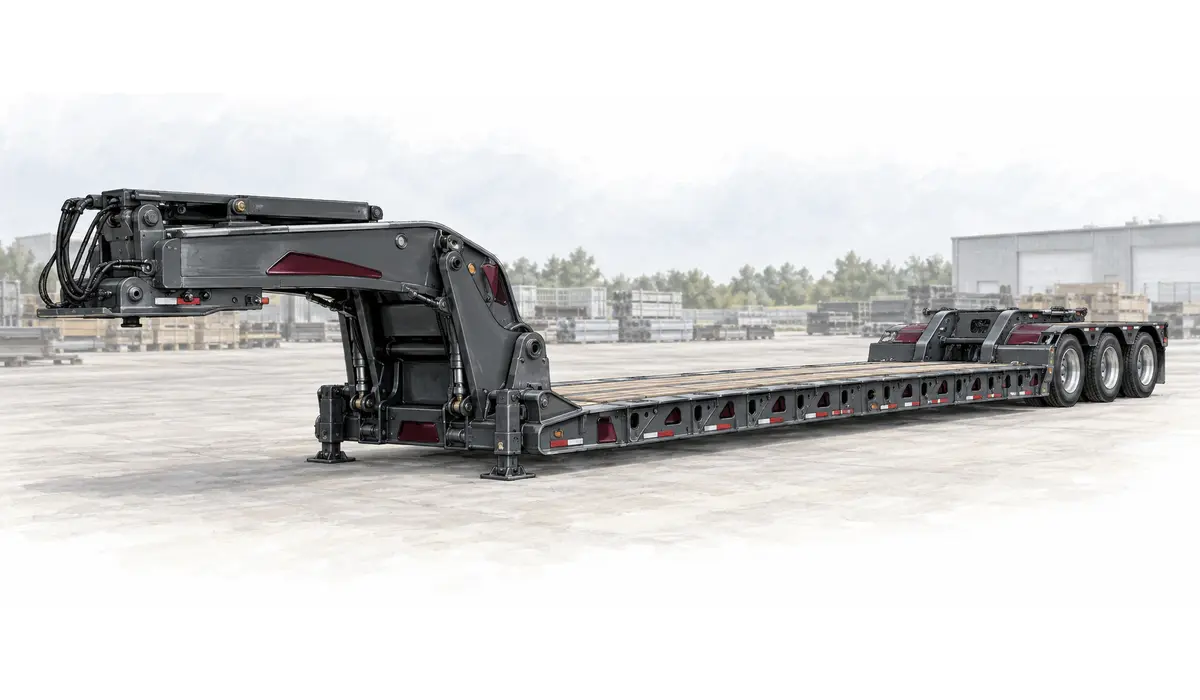
TK120HDG
A current three-axle TKHDG lowbed with a 25 ft 9 in main deck and a 120,000 lb concentrated rating over 12 ft.
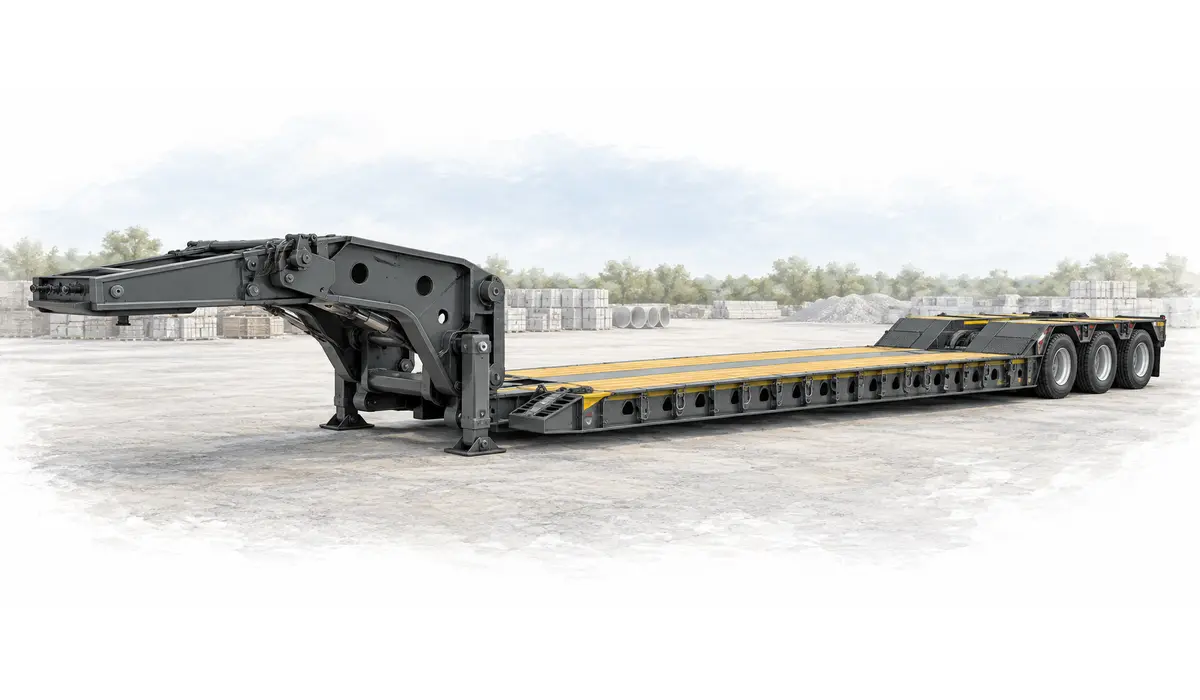
80MG
A current mechanical detachable gooseneck lowbed with a documented 29 ft usable deck and 70,000 lb concentrated rating over 16 ft.
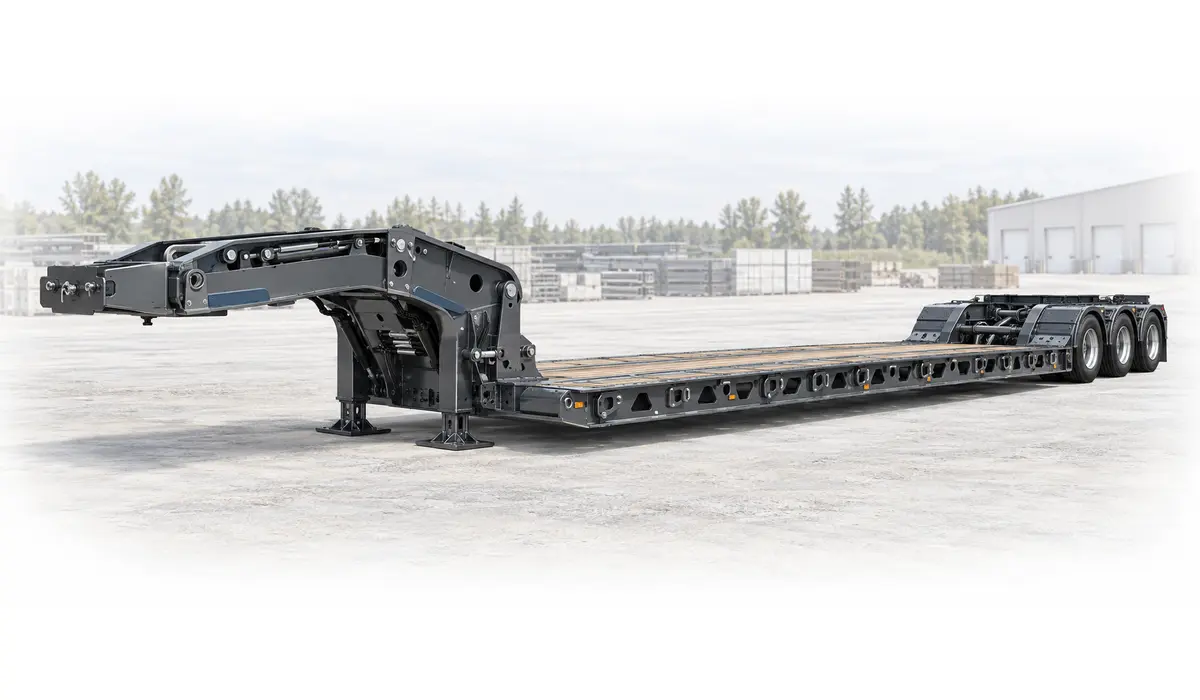
90MG
A current mechanical detachable gooseneck lowbed with a documented 28 ft 8 in usable deck and 80,000 lb concentrated rating over 16 ft.
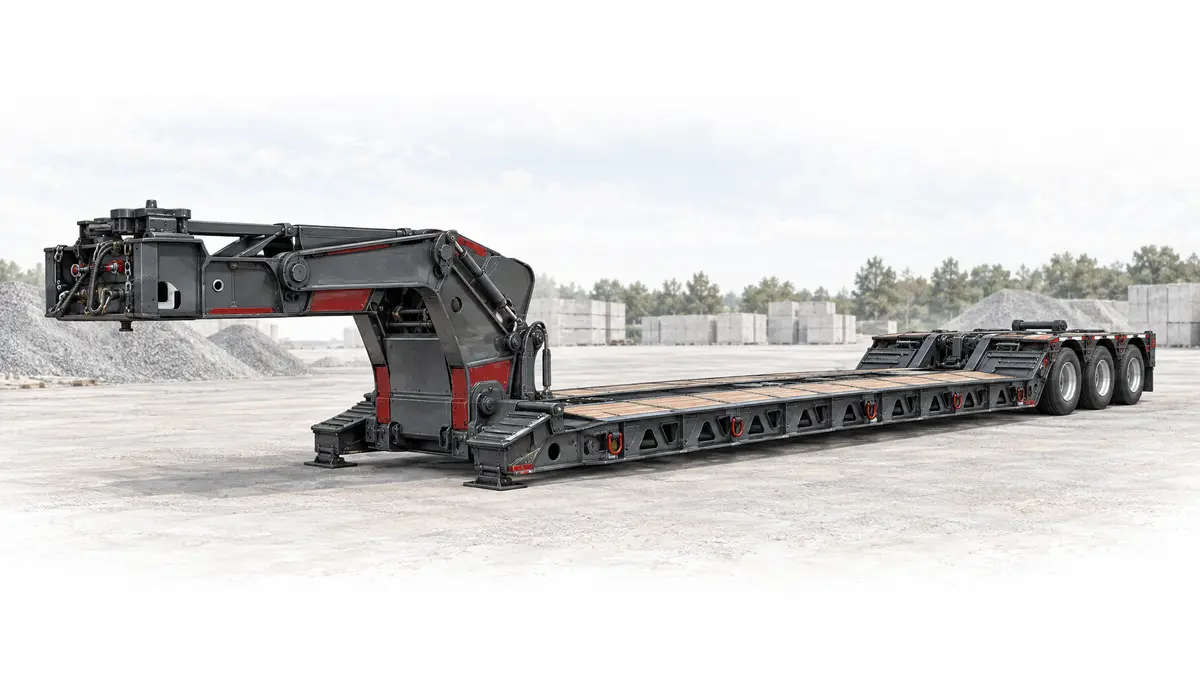
102MG
A current mechanical detachable gooseneck lowbed with a documented 28 ft 8 in usable deck and 90,000 lb concentrated rating over 16 ft.
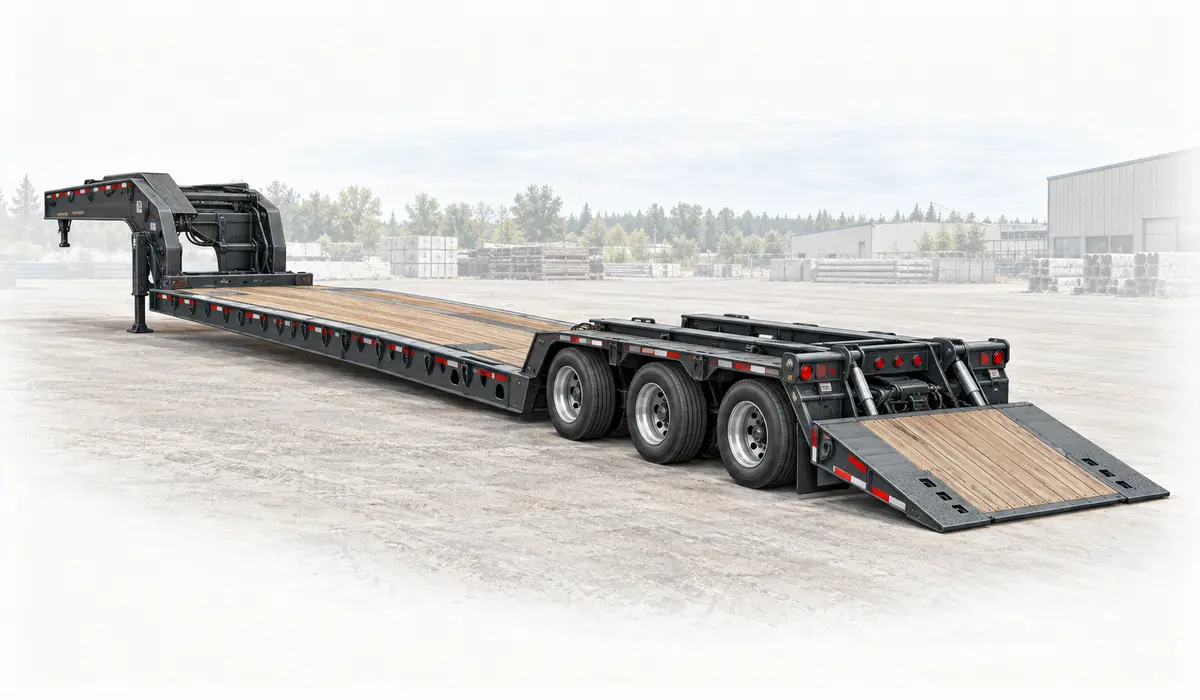
TK110SA
A current hydraulic sliding-axle platform with a 7-degree loading angle, 110,000 lb uniform rating and 70,000 lb concentrated rating over 10 ft.
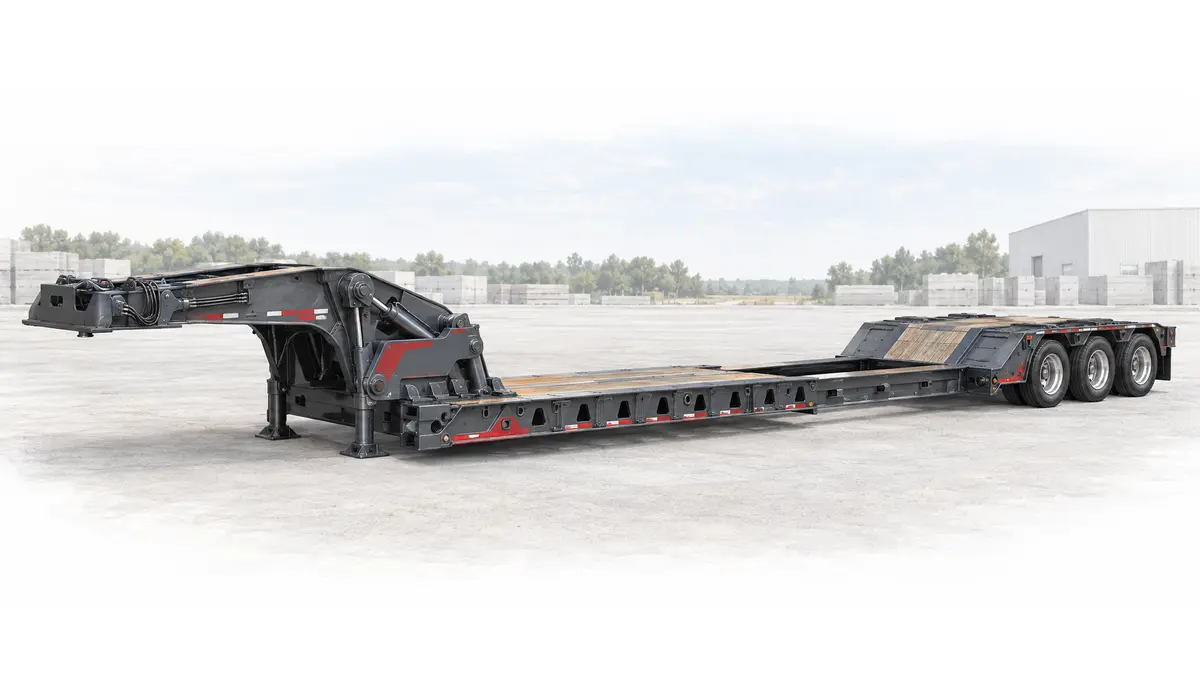
Detachable Double Drop Extendable
A detachable double-drop family with an extendable main deck. Current HED forms remain documented configurations within this family, not separate canonicals.
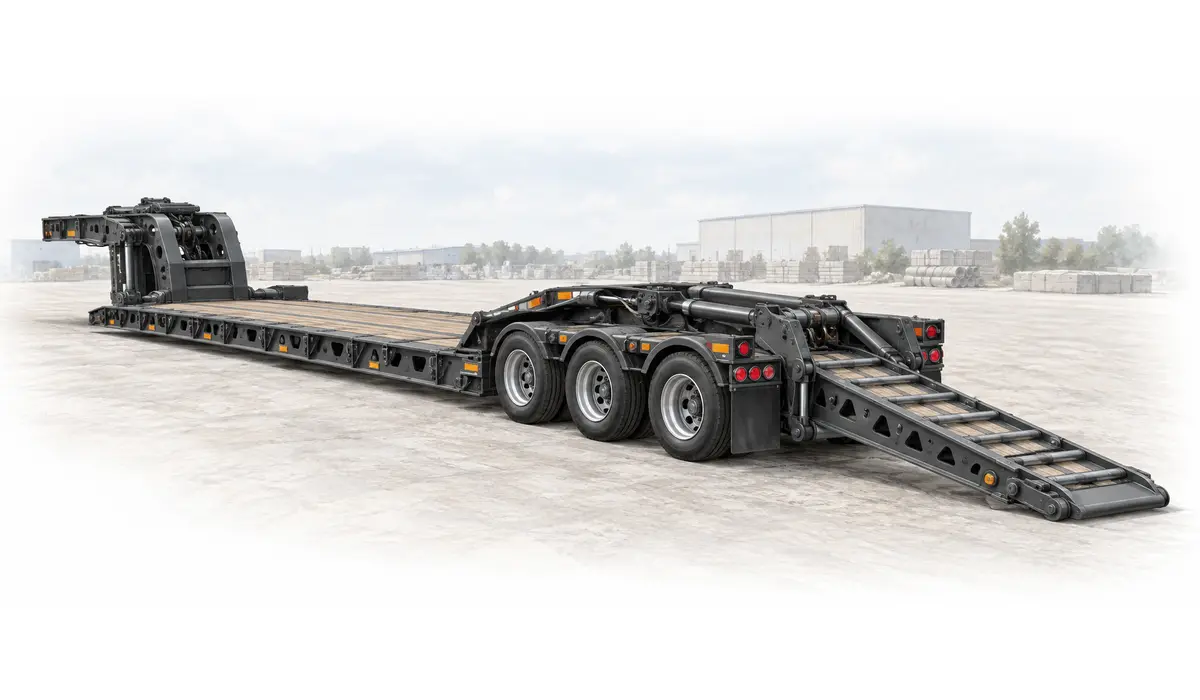
TK80HST Hydraulic Sliding Tail
A hydraulic sliding-tail family combining movable running gear with a 16 ft 7 in hydraulic tail and a documented 50,000 lb concentrated rating over 10 ft.
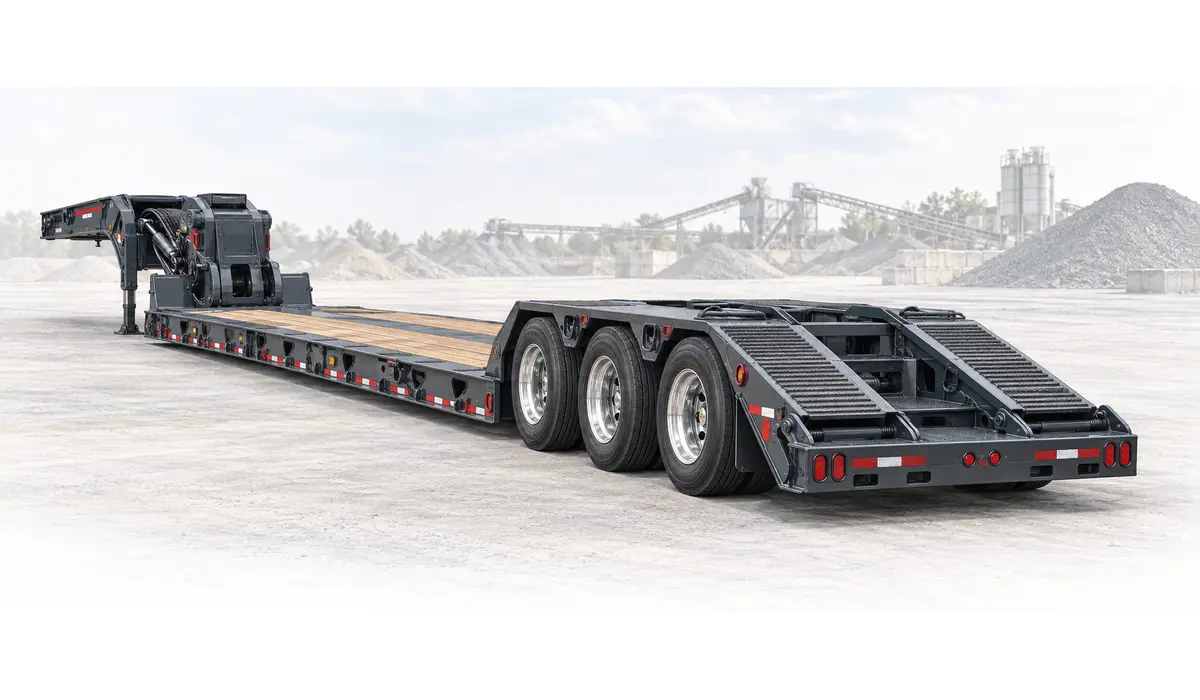
Paver Special
A low-angle paver-loading family based on TK102HDG and TK110HDG engineering, with separate capacity references retained by parent model.
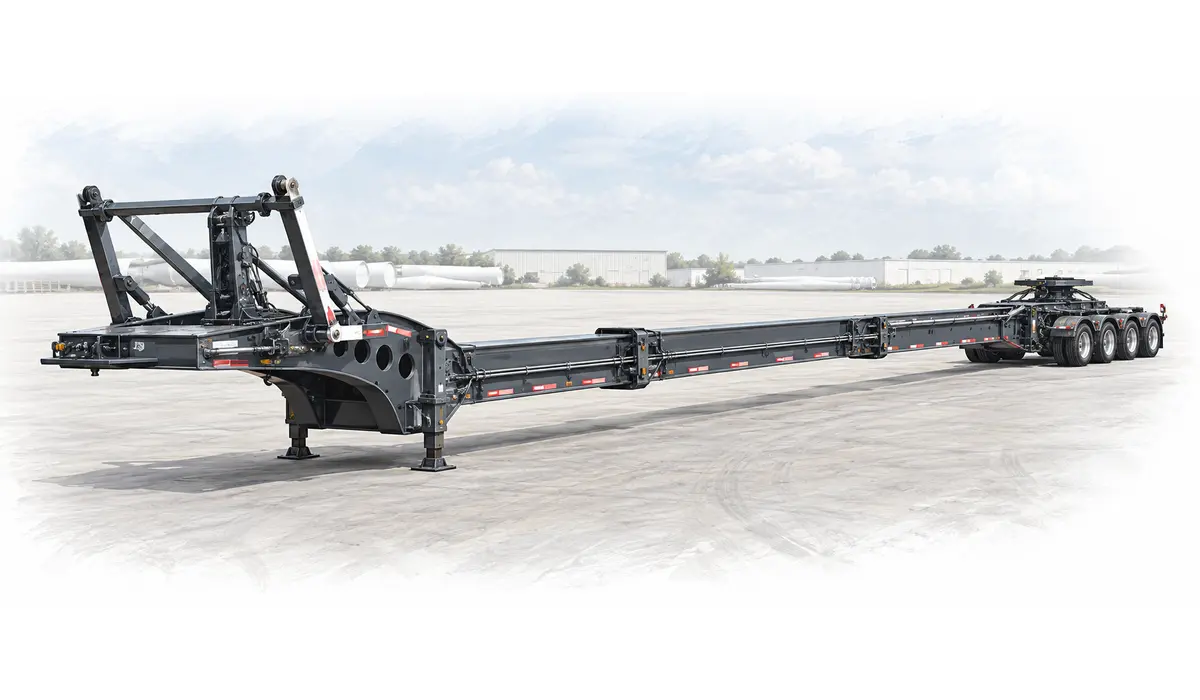
TKEFX Blade Hauler
A double-telescopic wind-blade transport family with hydraulic turntable-style steering. The 70EFX and 85EFX retain separate closed and extended references.
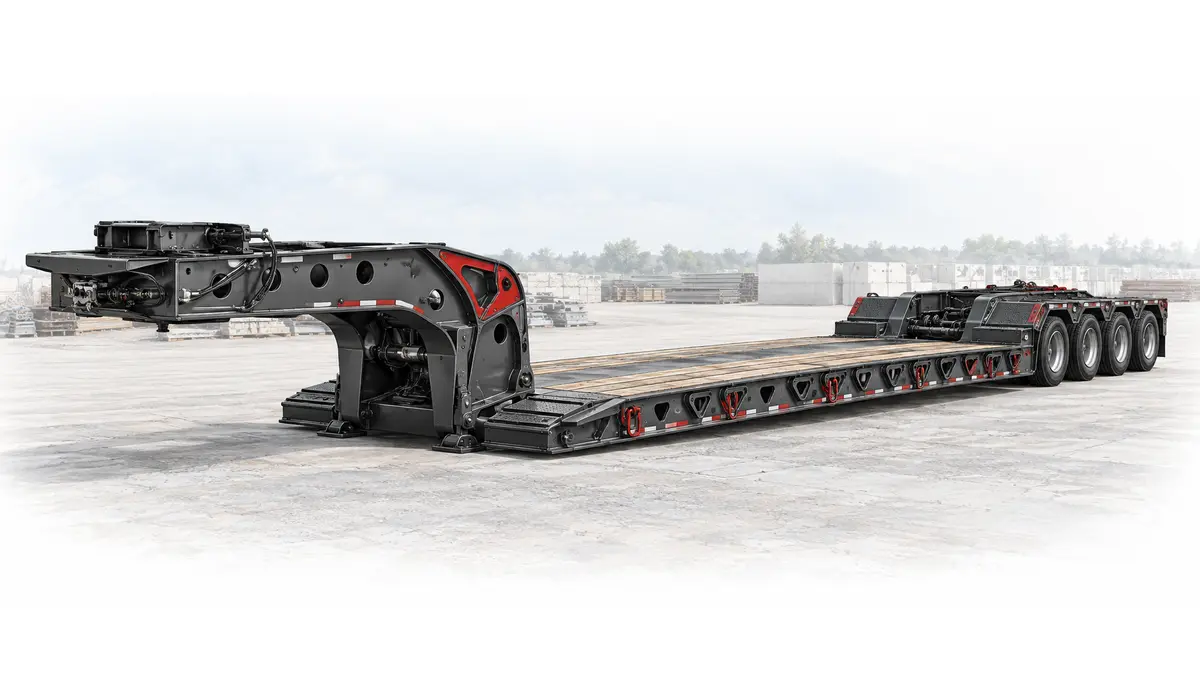
TK110HD-S
An ultra-low heavy-haul deck with automatic kingpin steering, launched 8 April 2026.
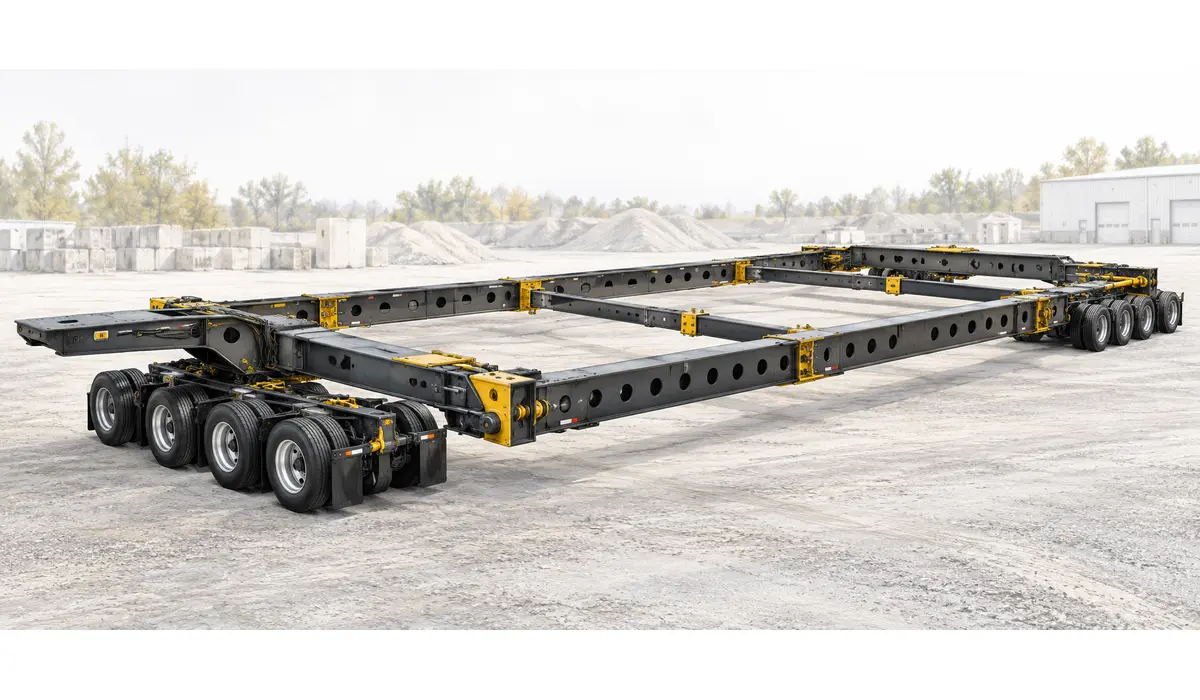
Perimeter Expanding Frame
A TK160 perimeter-frame heavy-haul system that expands from 12 ft to 20 ft overall width.
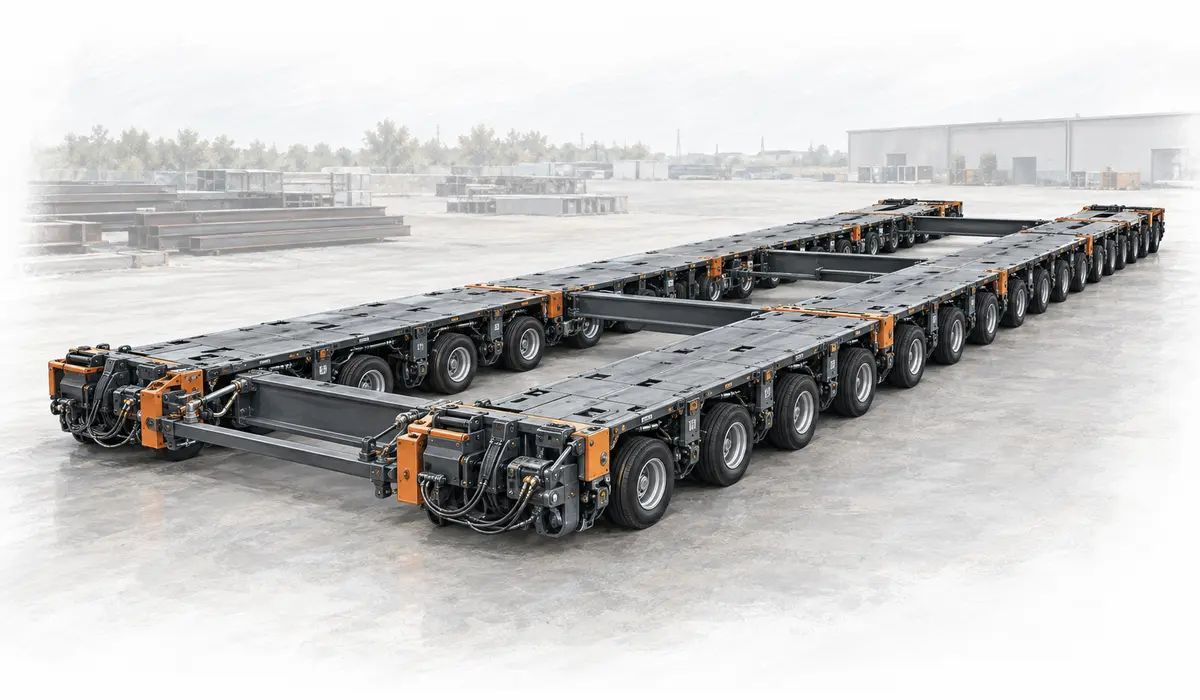
Dual Lane Transport
A current custom dual-lane hydraulic heavy-haul transport system. Specifications depend on the documented customer build.
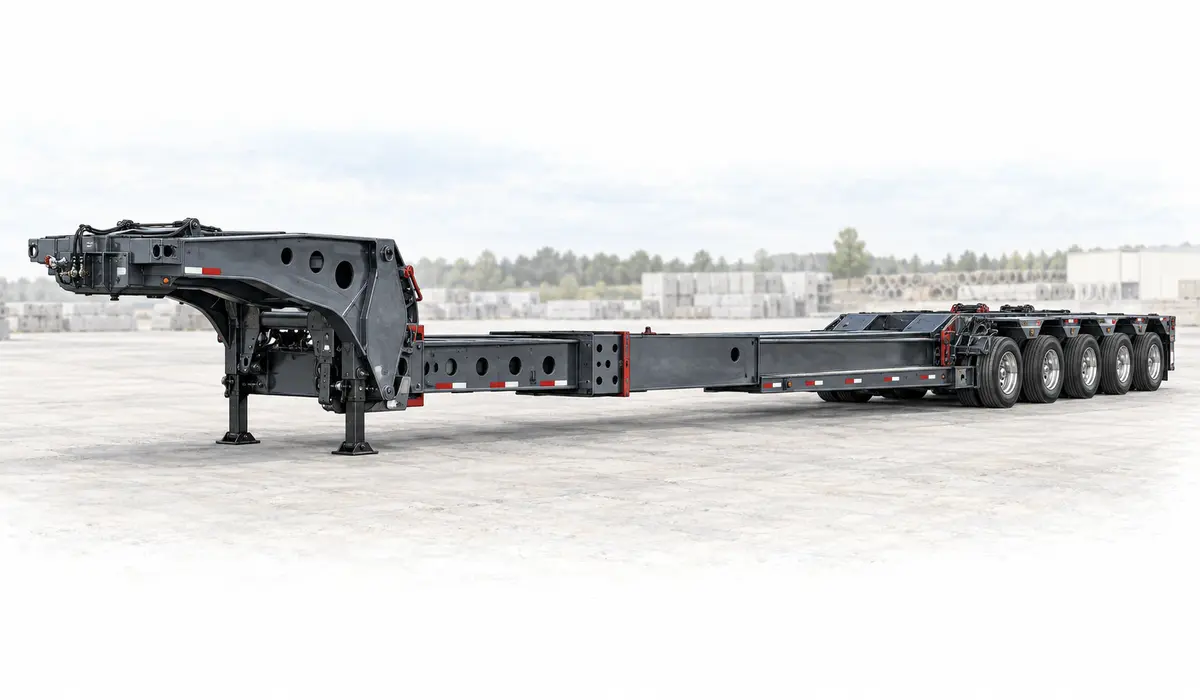
TK130HES-S
An extendable mono-beam heavy-haul trailer with six steerable axles, launched 8 April 2026.
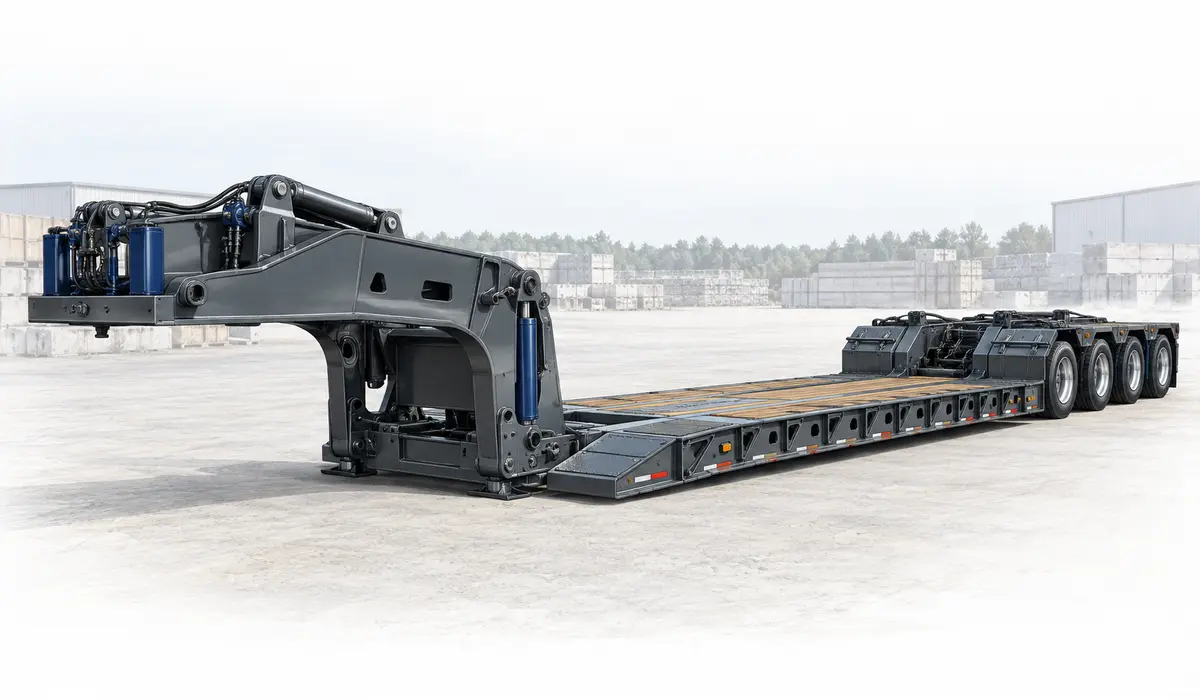
TK160HDG-S
A hydraulic-gooseneck heavy-haul trailer with automatic kingpin steering and optional extendable/insert forms, launched 8 April 2026.
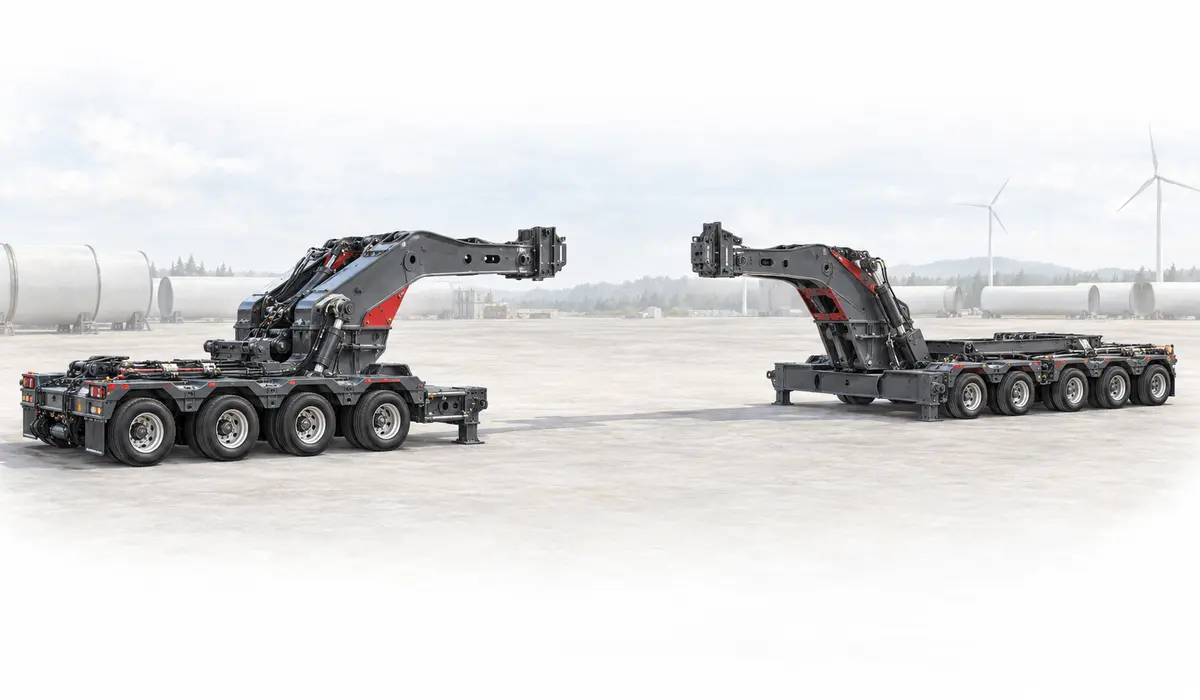
Schnable System
A current Gen 3 hydraulic Schnable gooseneck system for wind-tower transport, with separate front and rear modules.
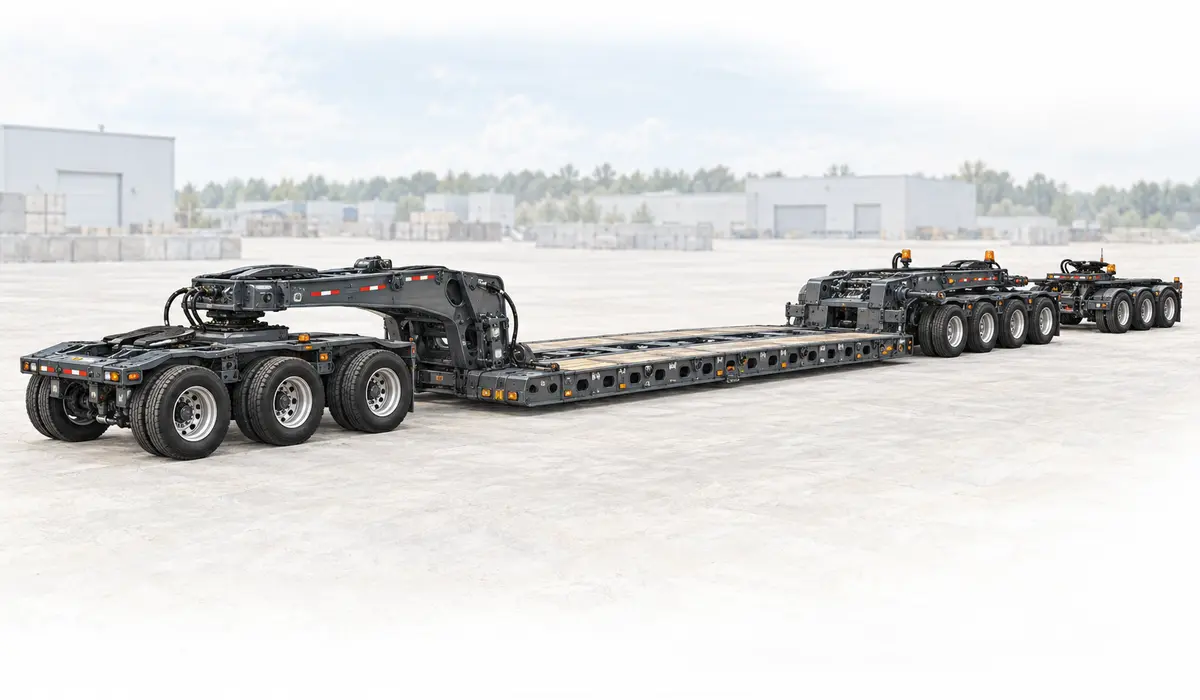
Multi-Axle
A current custom multi-axle heavy-haul system family covering engineered jeep, booster, dolly, stinger and flip-axle relationships.
Read the source with the configuration
Start with the linked manufacturer documentation, then obtain the build sheet and operating instructions for the trailer under consideration. Compare distributed and concentrated ratings on their stated support basis. Keep tare, gross rating, floor strength and route permissions separate.
How to read load-rating conditions →