BWS
Explore 21 documented model identities across 3 trailer families. Compare the actual loading mechanism and selected configuration before comparing dimensions or ratings.
Find the right product architecture
A manufacturer product family may include several configurations. The reference selector retains each documented state and its source conditions; it does not turn every length, axle or option into a separate model. Current product documentation does not establish an individual trailer’s condition, production-year range or sale availability.
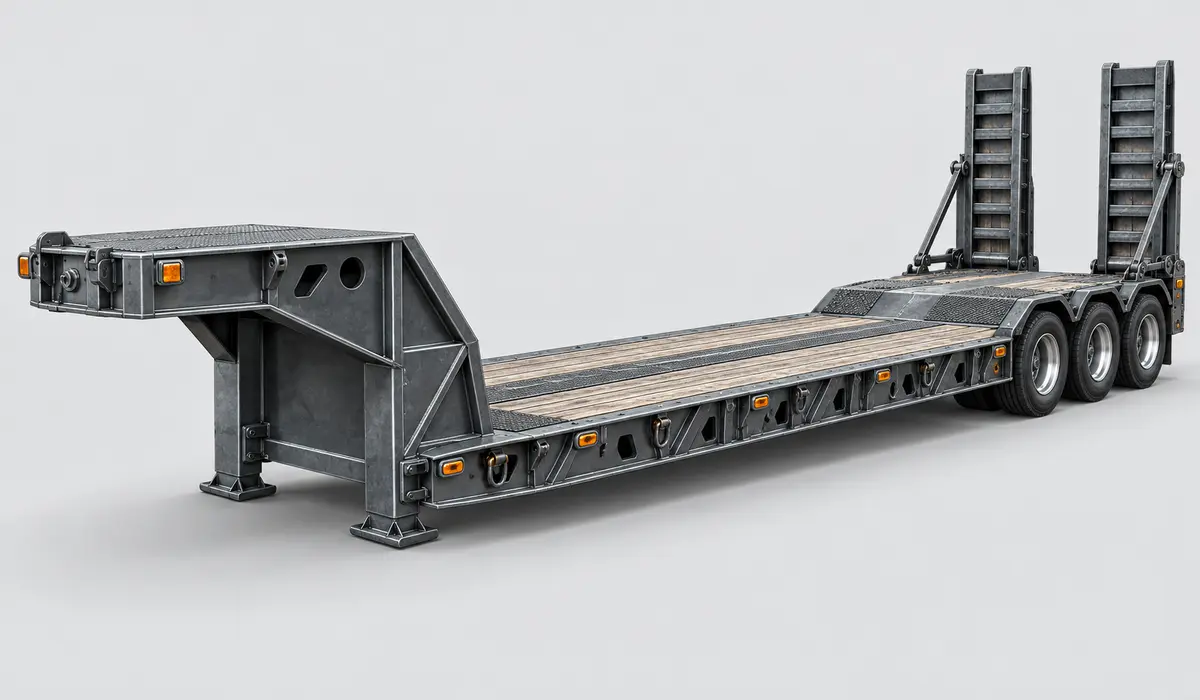
Equipment Trailer
The current BWS equipment-trailer family, covering purpose-built rear-loading configurations whose ramps, axle groups and deck geometry remain build-specific.
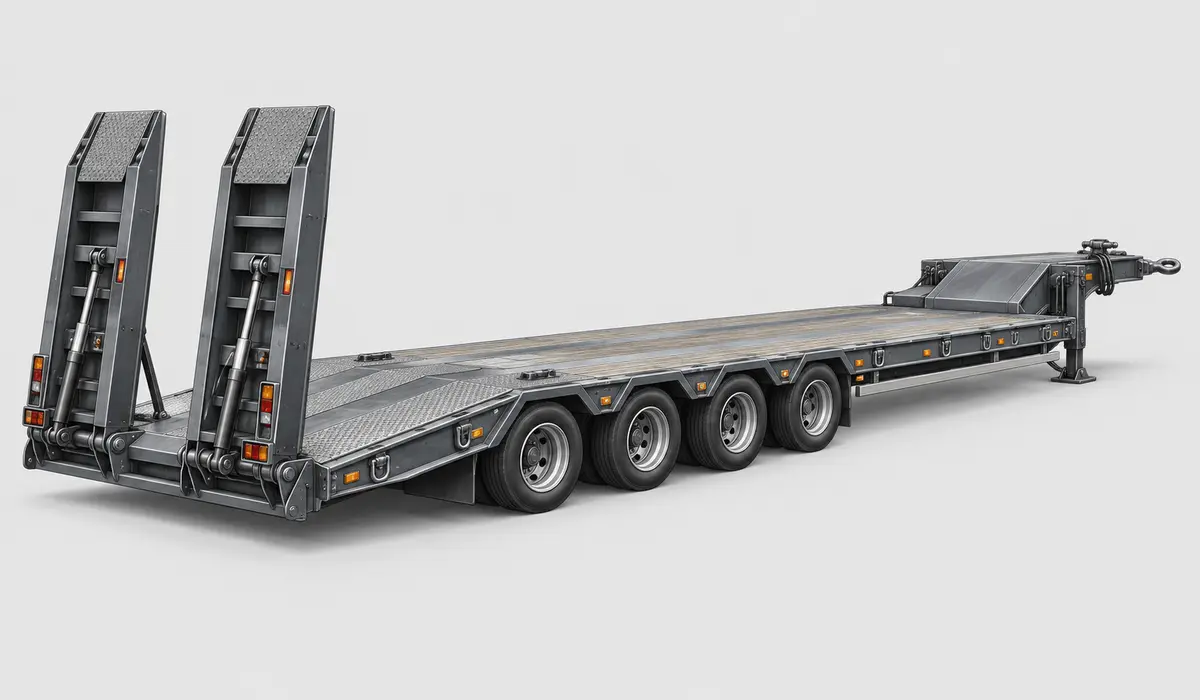
Paving & Recovery
BWS’s current paving-and-recovery family, retained as one canonical identity until exact model codes and loading packages are frozen from first-party documentation.
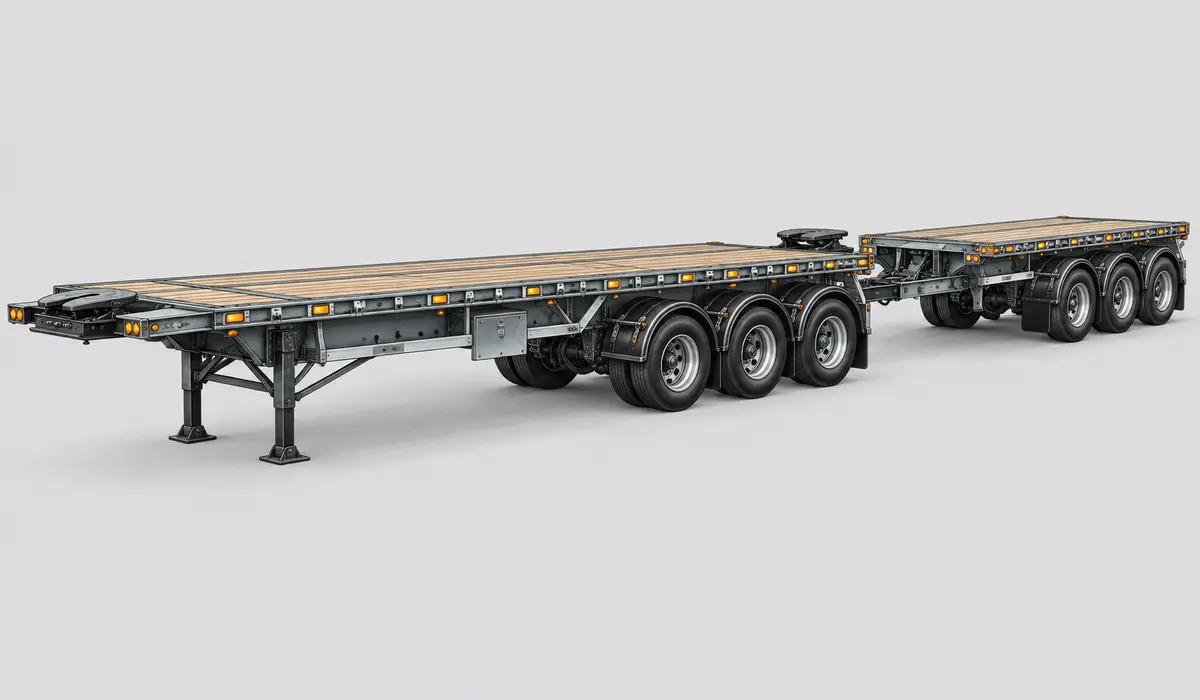
Highway B-Train
The current BWS Highway B-Train platform family, with lead/pup relationships and 2018-labelled variants retained as configuration and generation evidence.
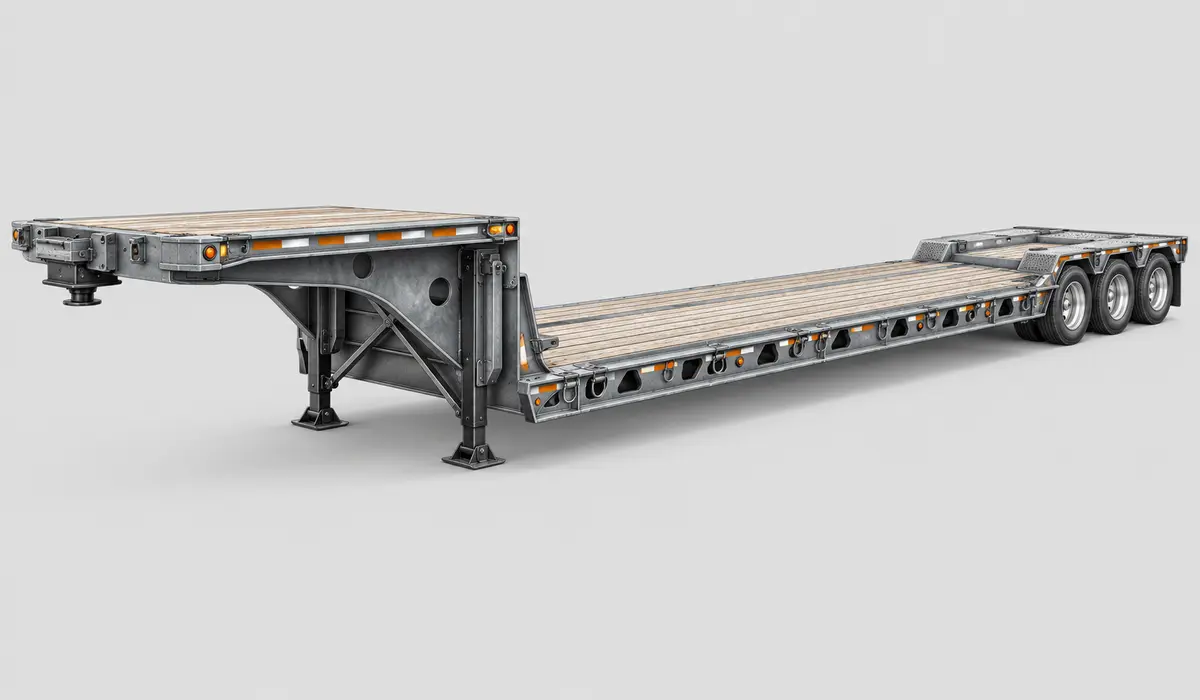
Highway Drop
The current BWS Highway Drop platform family, with documented 2018-labelled variants kept as generation evidence rather than an inferred year range.
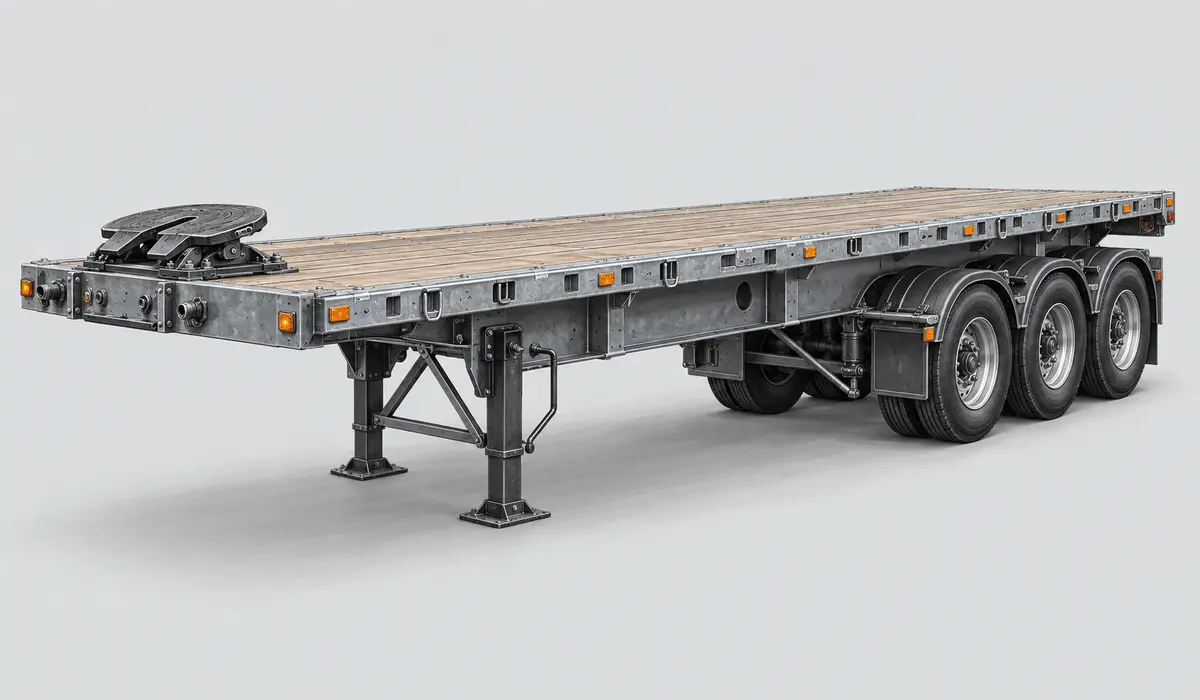
Highway Flat
The current BWS Highway Flat fixed-platform family, retained as one canonical identity with axle and suspension choices treated as configurations.
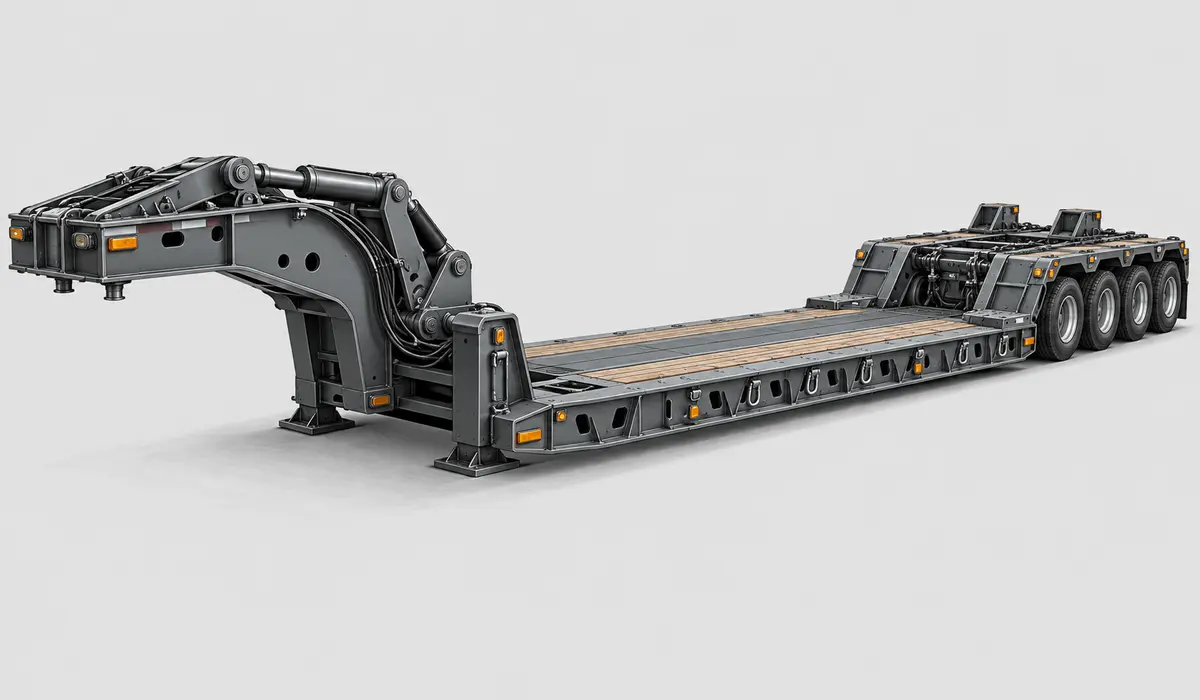
Hydraulic Detachable Gooseneck
The current redesigned BWS HRGN lowboy family with a hydraulic detachable gooseneck and build-specific axle arrangements.
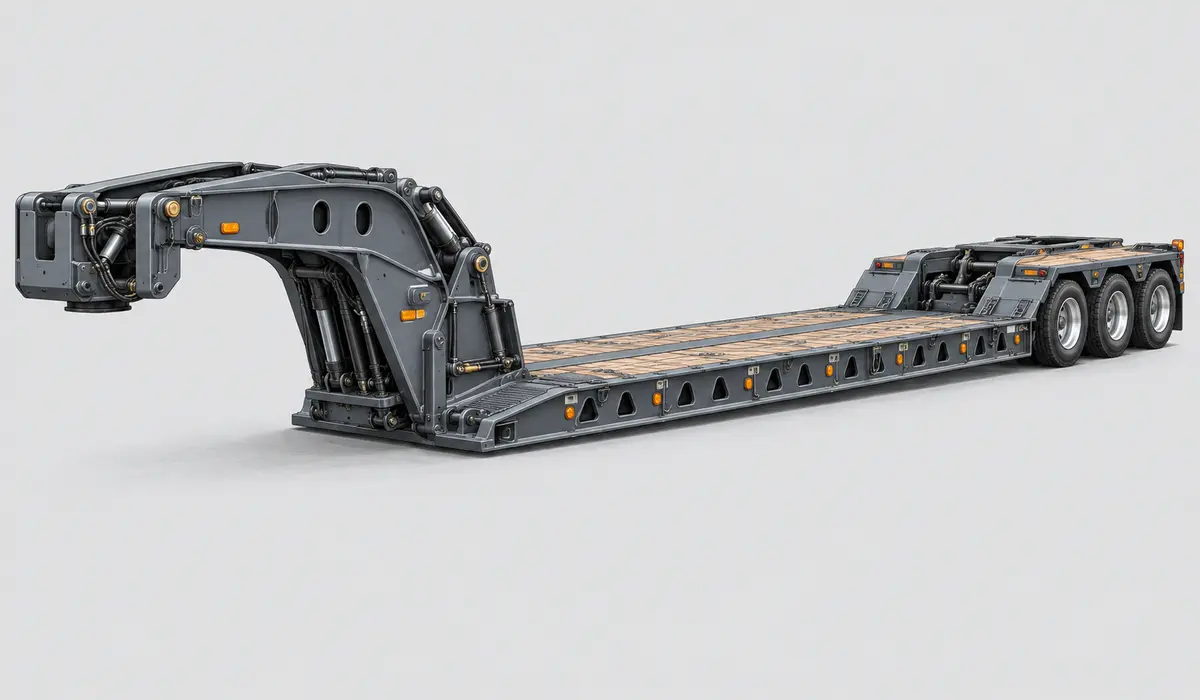
Hydraulic Detachable Gooseneck E
The current E-form of BWS’s redesigned hydraulic detachable-gooseneck lowboy family.
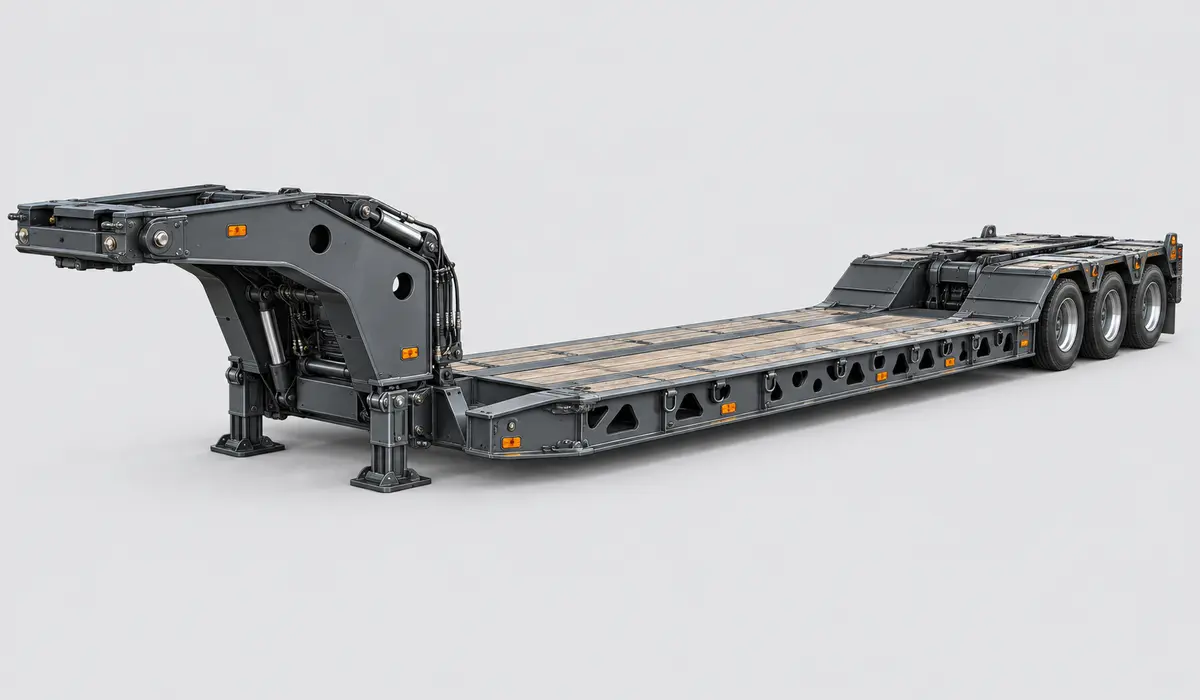
Hydraulic Detachable Gooseneck H
The current BWS 55HDG3X H hydraulic detachable-gooseneck lowboy, documented at 53 ft overall, 102 in wide and equipped with three 25,000 lb axles.
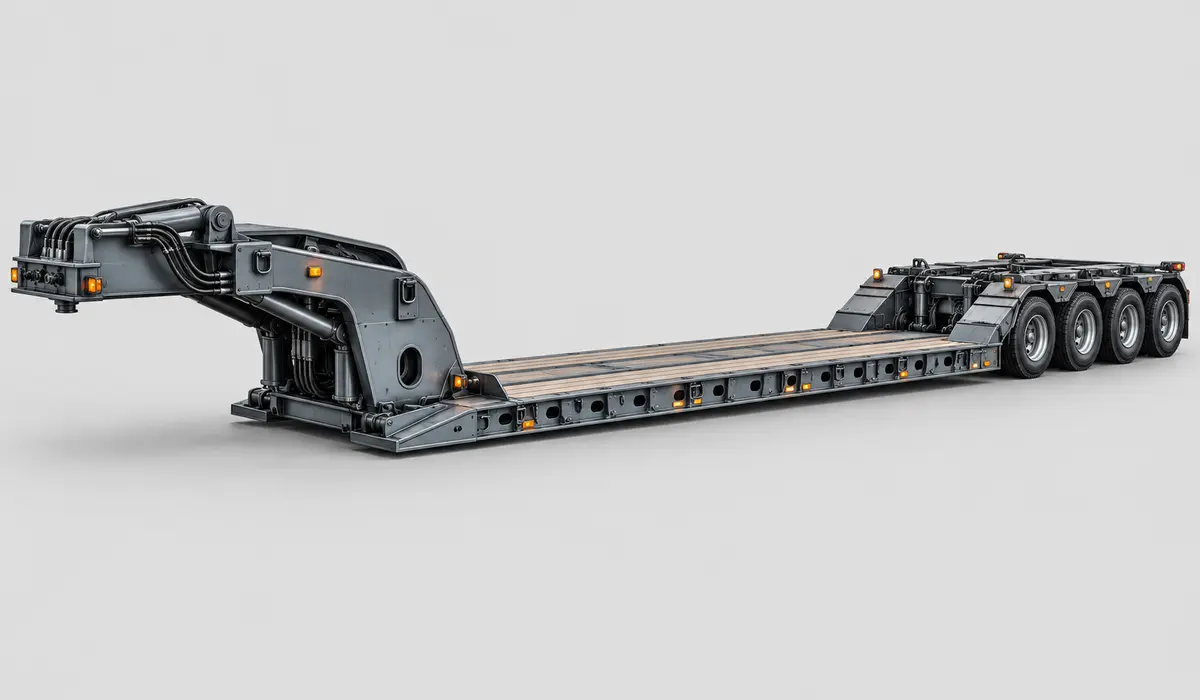
Hydraulic Detachable Gooseneck HS
The current HS-form of BWS’s redesigned hydraulic detachable-gooseneck lowboy family.
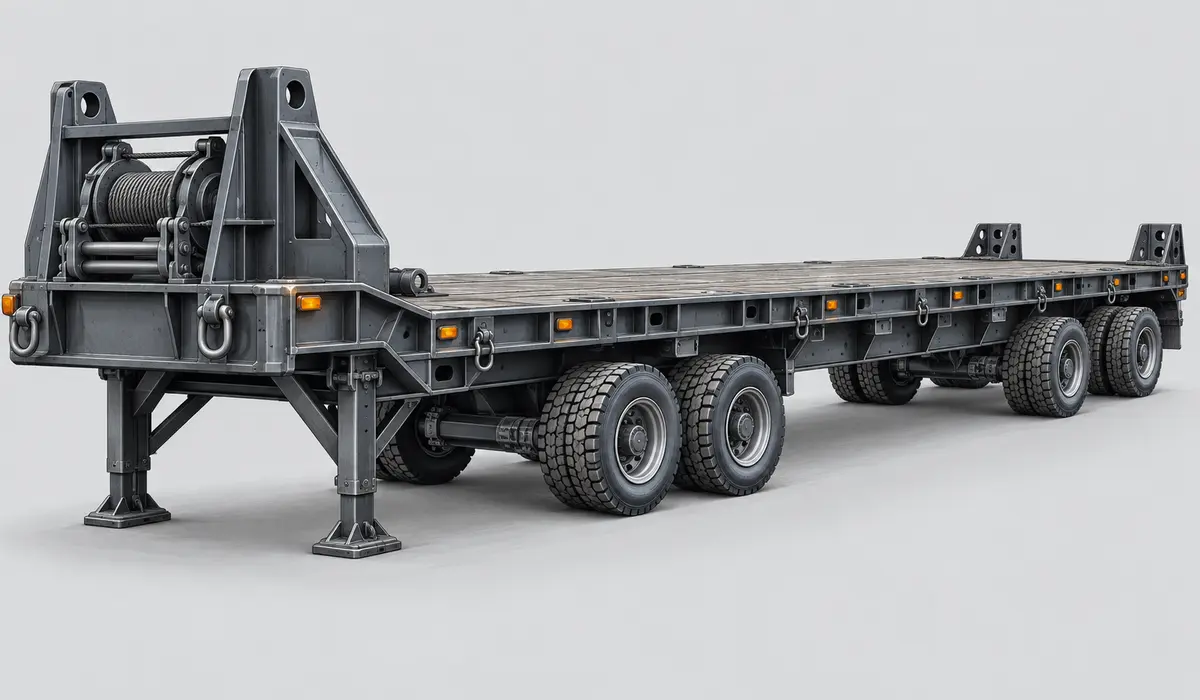
Oilfield Float
The current BWS oilfield-float family, with module, axle and loading arrangements retained as project-specific configurations.
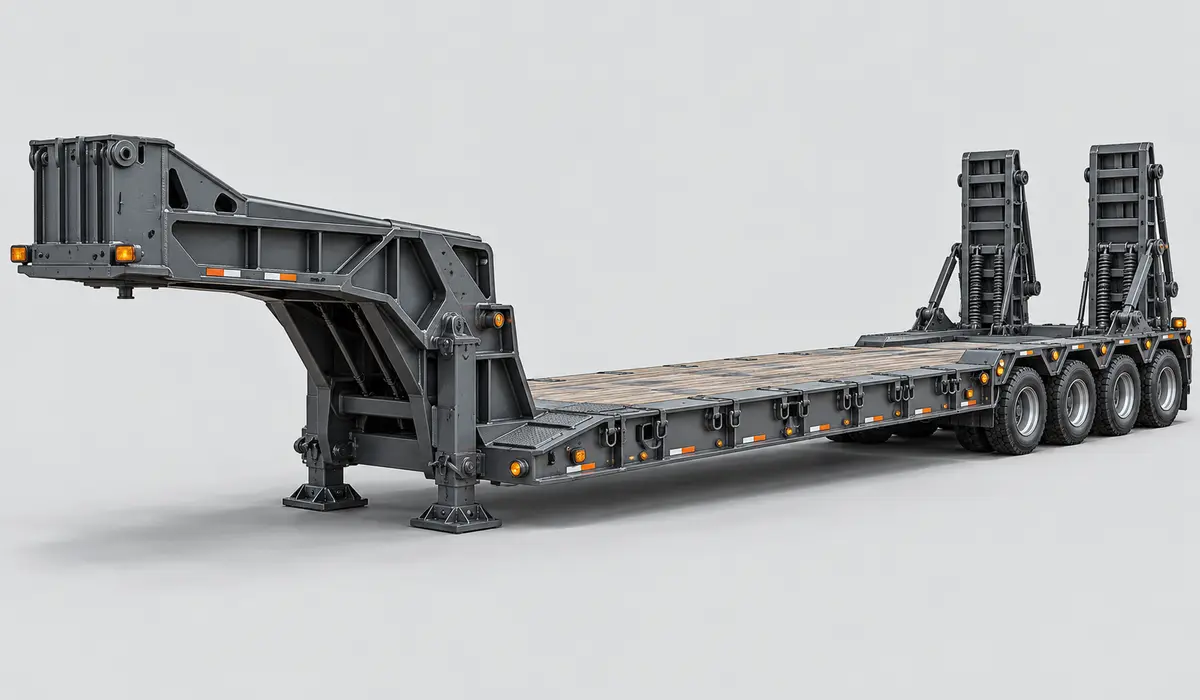
Oilfield Rigidneck
The current BWS oilfield rigidneck family, retained as a fixed-neck system identity with project-specific deck and running-gear configurations.
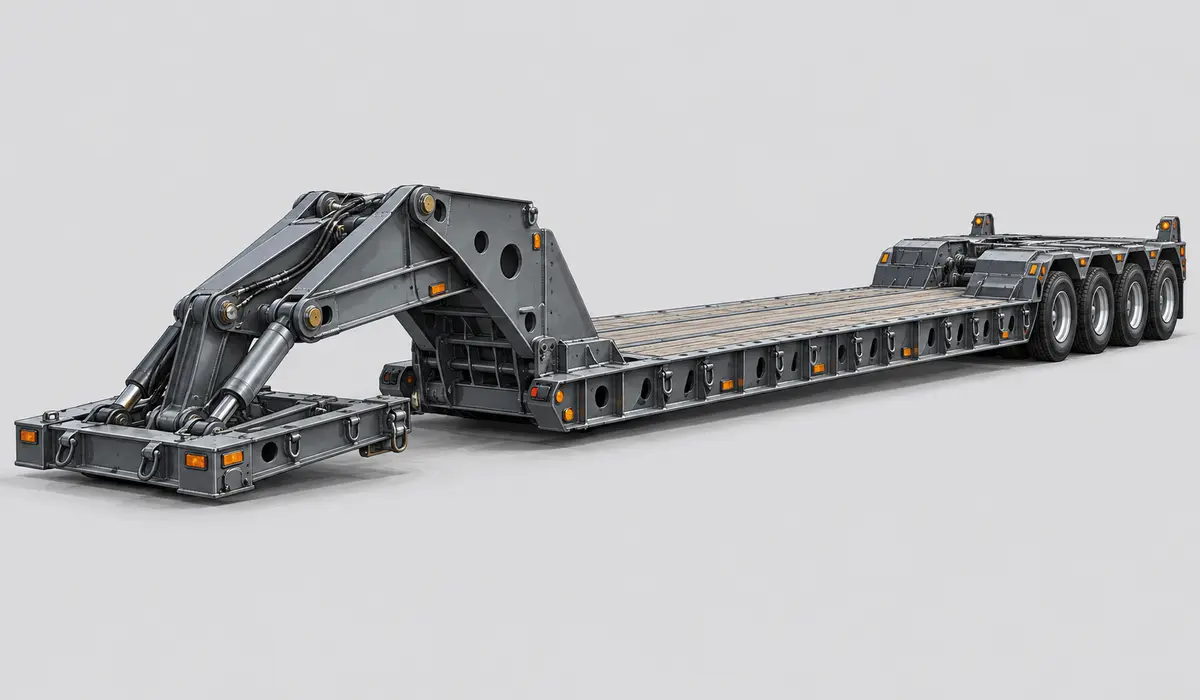
Oilfield Scissorneck
The current BWS oilfield scissorneck family, using a folding neck for ground-loading work and project-specific running gear.
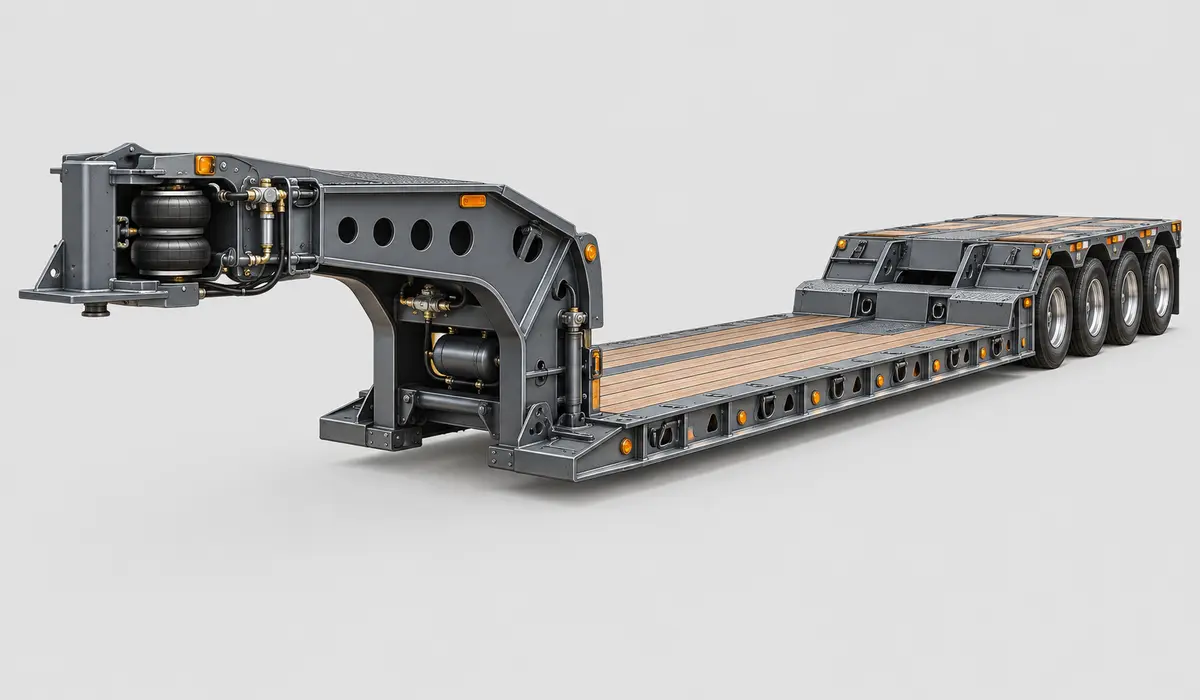
Air Detachable Gooseneck
The current BWS air-detachable-gooseneck double-drop family, kept distinct from mechanical and hydraulic neck systems.
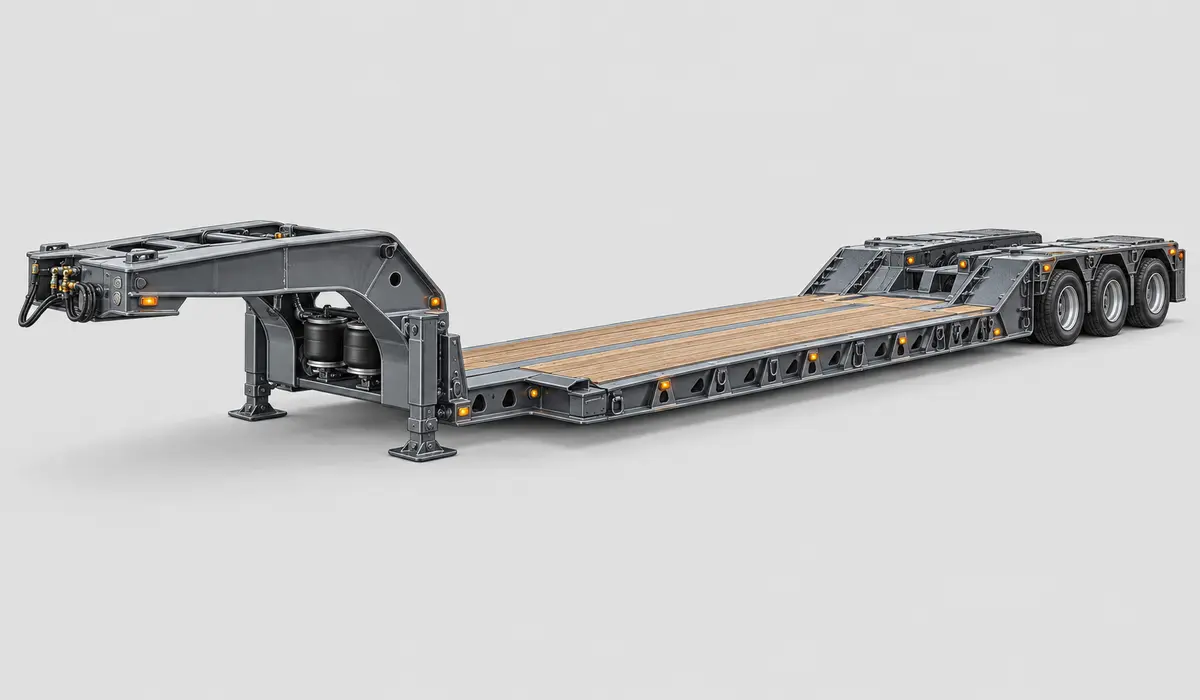
Air Detachable Gooseneck Ag ULP
The agricultural ultra-low-profile form of BWS’s air-detachable double-drop family.
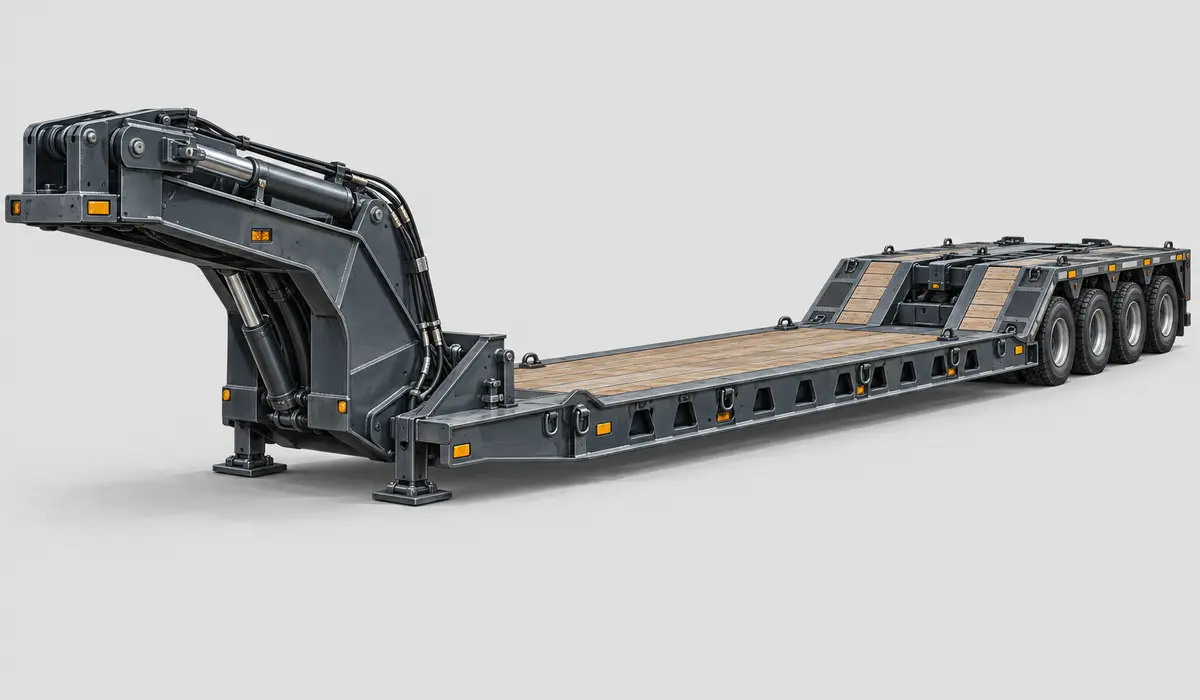
Hydraulic Detachable Gooseneck AGNR
The BWS AGNR hydraulic detachable-gooseneck double-drop family, retained as its own manufacturer-defined identity.
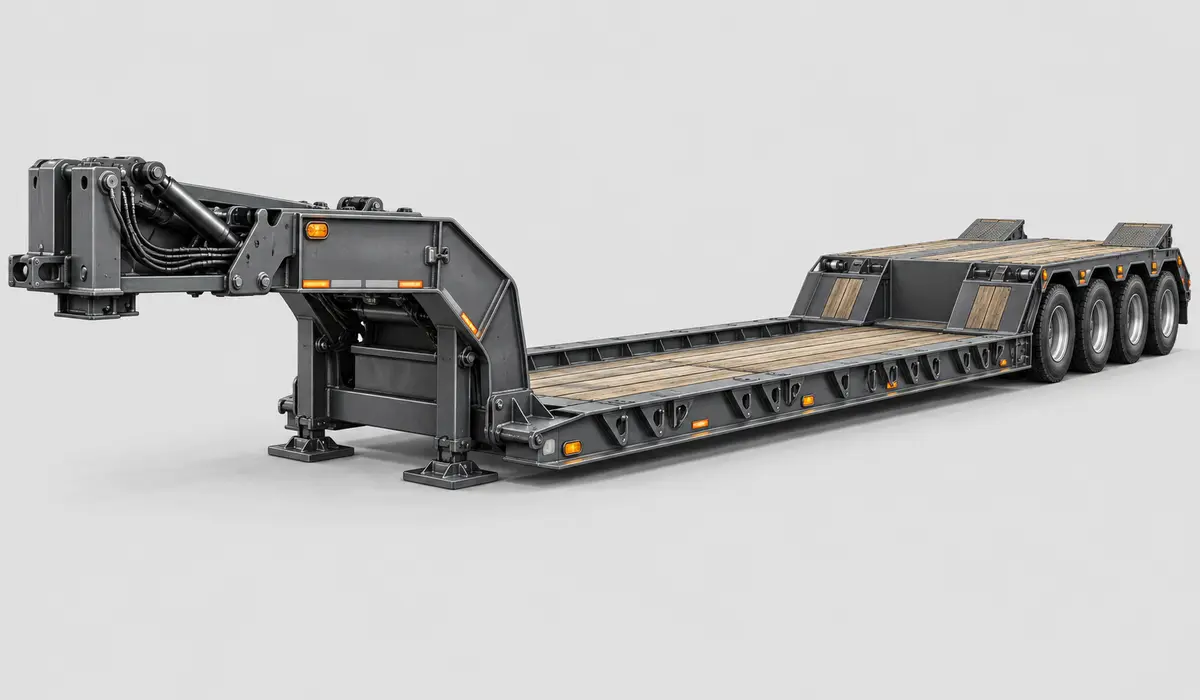
Hydraulic Detachable Gooseneck Ag
The agricultural form of BWS’s hydraulic detachable-gooseneck double-drop family, with current 40- and 50-ton variants retained as configurations.
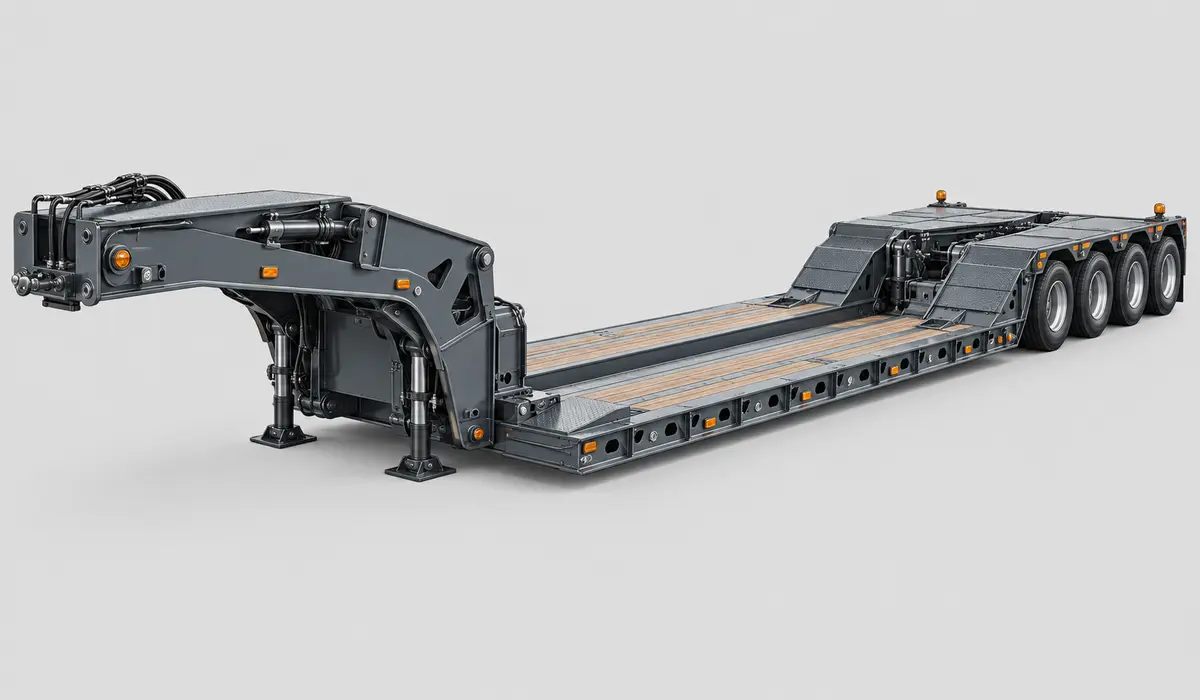
Hydraulic Detachable Gooseneck Ag ULP
The agricultural ultra-low-profile form of BWS’s hydraulic detachable-gooseneck double-drop family.
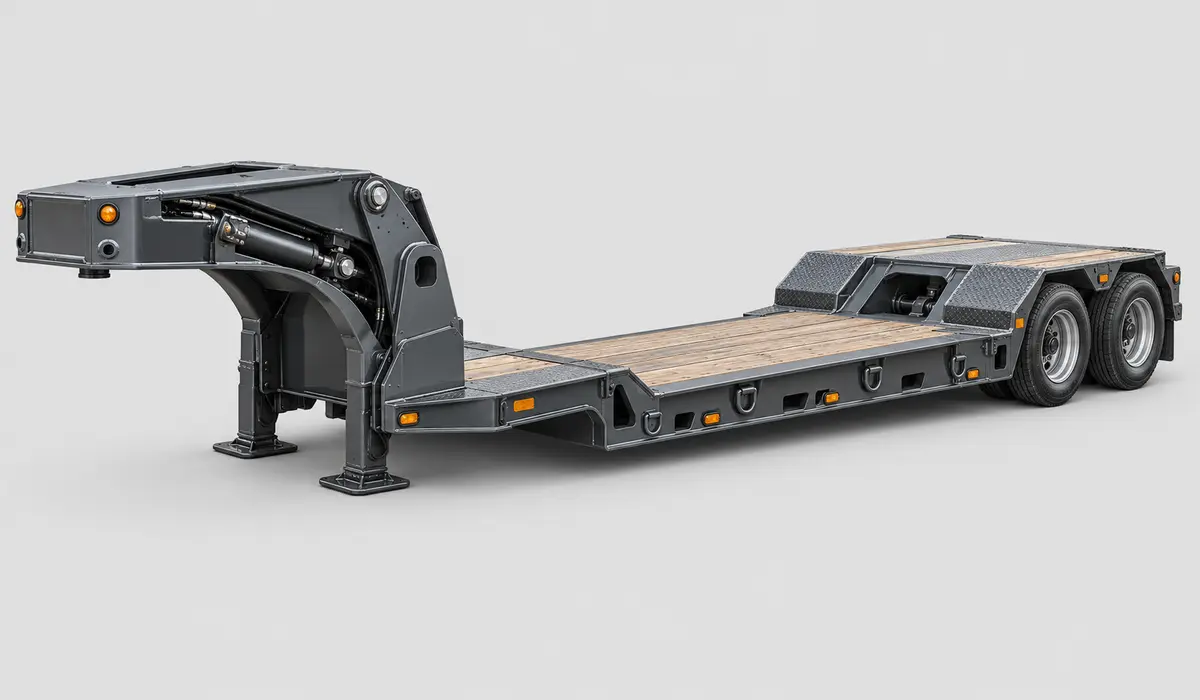
Hydraulic Detachable Mini
The current BWS Hydraulic Detachable Mini double-drop family, published with configuration data held until detailed model extraction is complete.
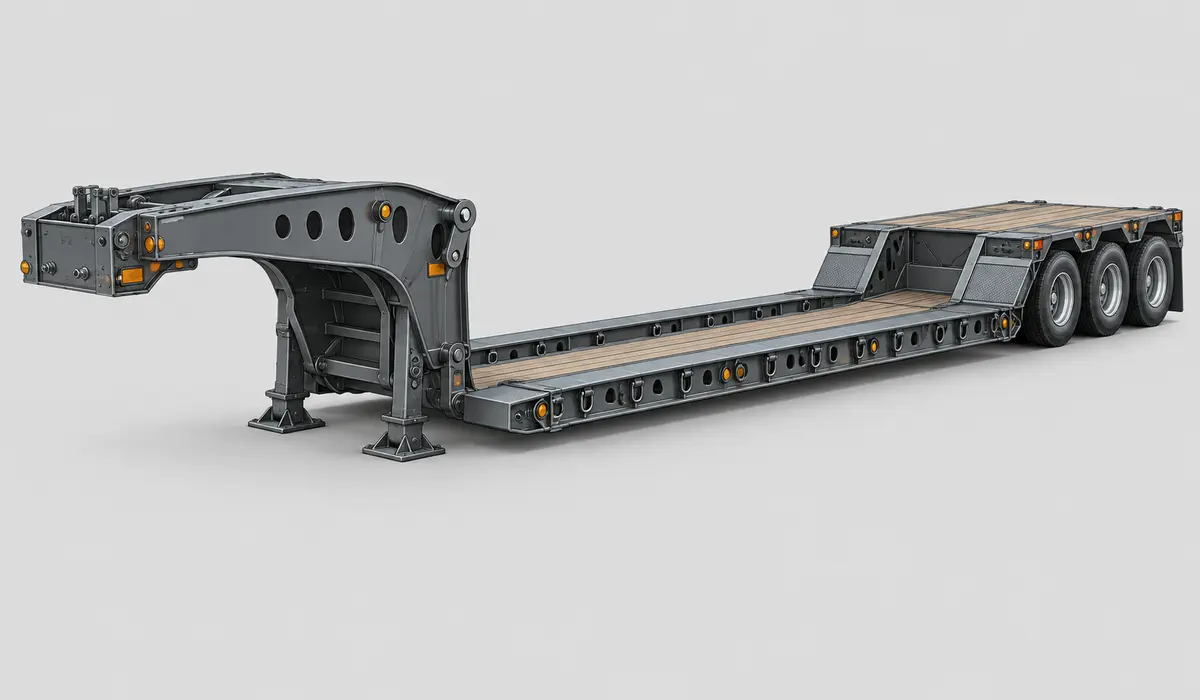
Mechanical Detachable
The current BWS mechanical-detachable double-drop family, kept distinct from air and hydraulic neck systems.
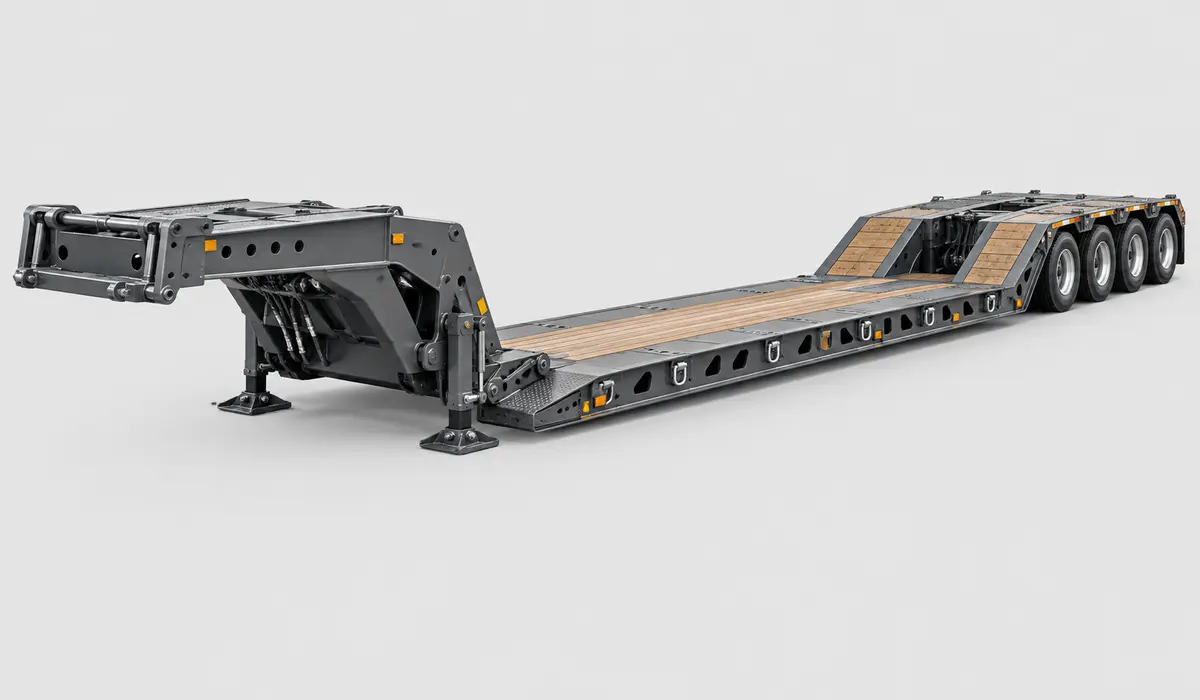
Mechanical Detachable Ag ULP
The agricultural ultra-low-profile form of BWS’s mechanical-detachable double-drop family.
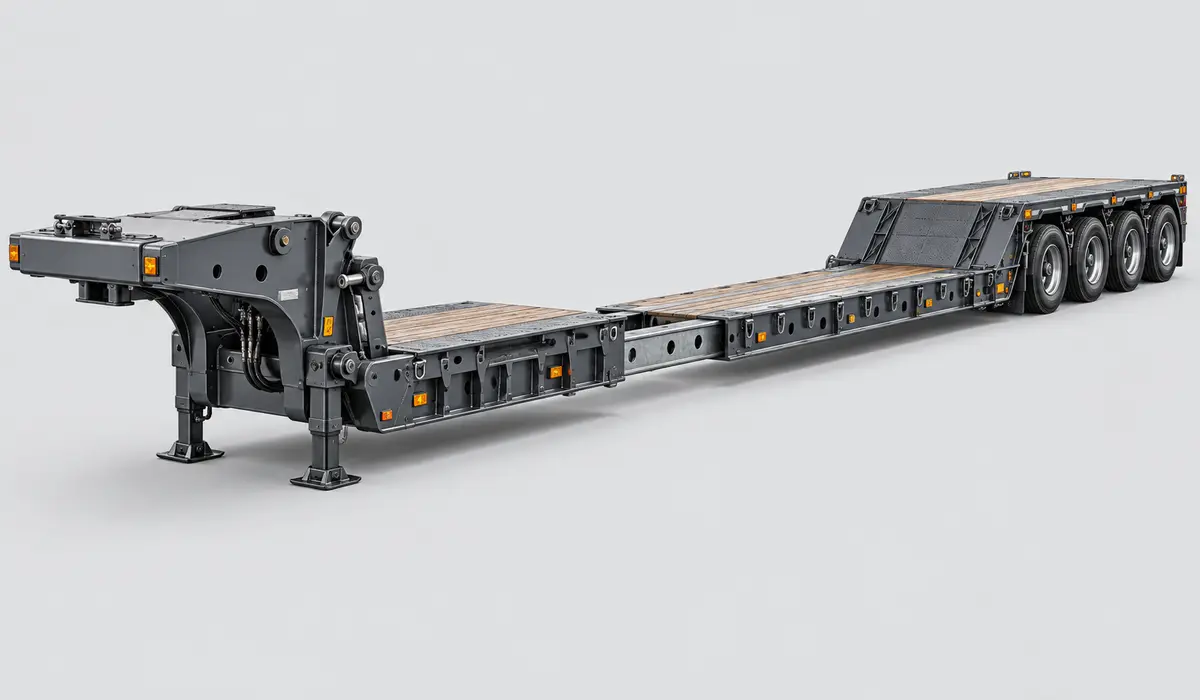
Mechanical Detachable Extendable
The BWS mechanical-detachable extendable double-drop family, a manufacturer-described product proven since 1998 with exact revision chronology still unresolved.
Read the source with the configuration
Start with the linked manufacturer documentation, then obtain the build sheet and operating instructions for the trailer under consideration. Compare distributed and concentrated ratings on their stated support basis. Keep tare, gross rating, floor strength and route permissions separate.
How to read load-rating conditions →